Commercial properties naturally age over time. Systems wear down, layouts become outdated, and recurring repairs begin to consume more time and budget. While routine maintenance helps extend the life of a facility, there comes a point when larger improvements become the more practical long-term solution.
This commercial property renovation signs guide explains the common indicators that suggest a facility may be ready for a major renovation and why proactive planning matters.
1. Repairs Are Becoming More Frequent
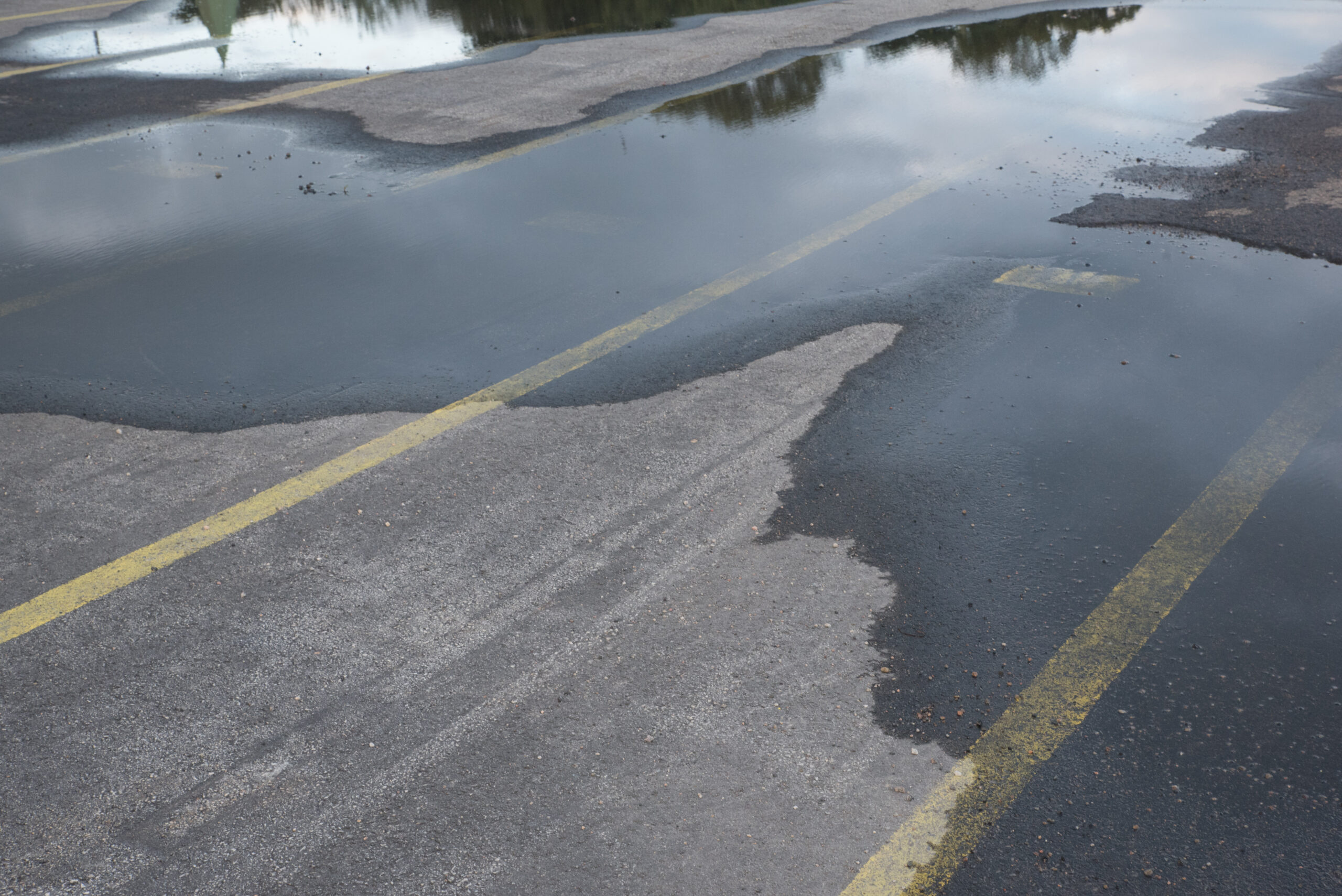
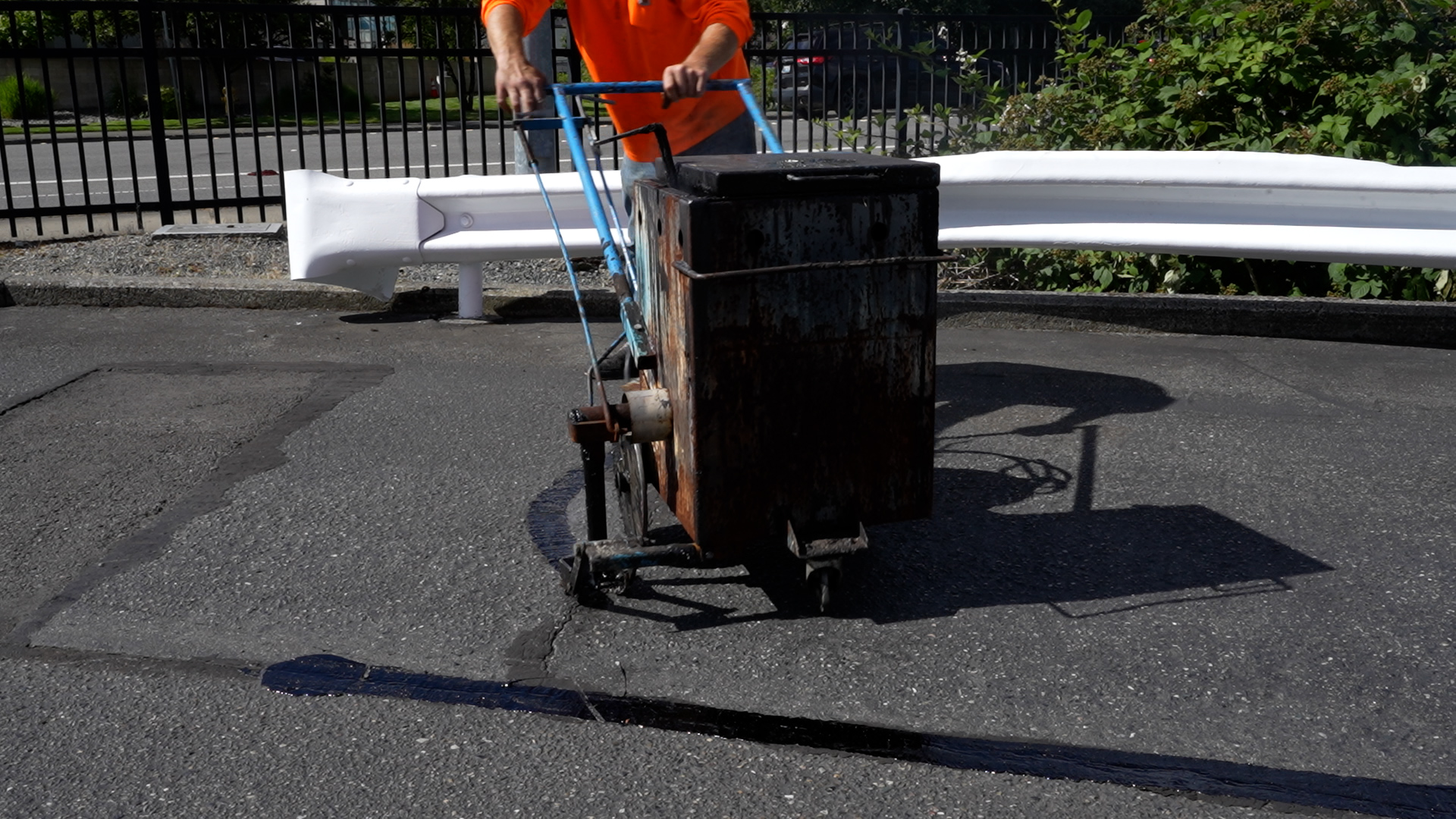
Every building requires occasional repairs, but recurring issues often signal deeper infrastructure problems. Frequent plumbing leaks, HVAC breakdowns, electrical issues, or recurring asphalt damage may indicate that systems are approaching the end of their usable life.
When repair costs continue to increase year after year, organizations should evaluate whether renovation or replacement would provide better long-term value.
The International Facility Management Association (IFMA) notes that aging building systems can significantly increase operational costs and reduce overall facility efficiency.
2. The Property No Longer Supports Operational Needs
Businesses evolve, and facilities must evolve with them. A building that once supported daily operations effectively may no longer meet current workflow, staffing, or customer requirements.
Common operational challenges include:
- Inefficient layouts
- Insufficient storage space
- Poor traffic flow
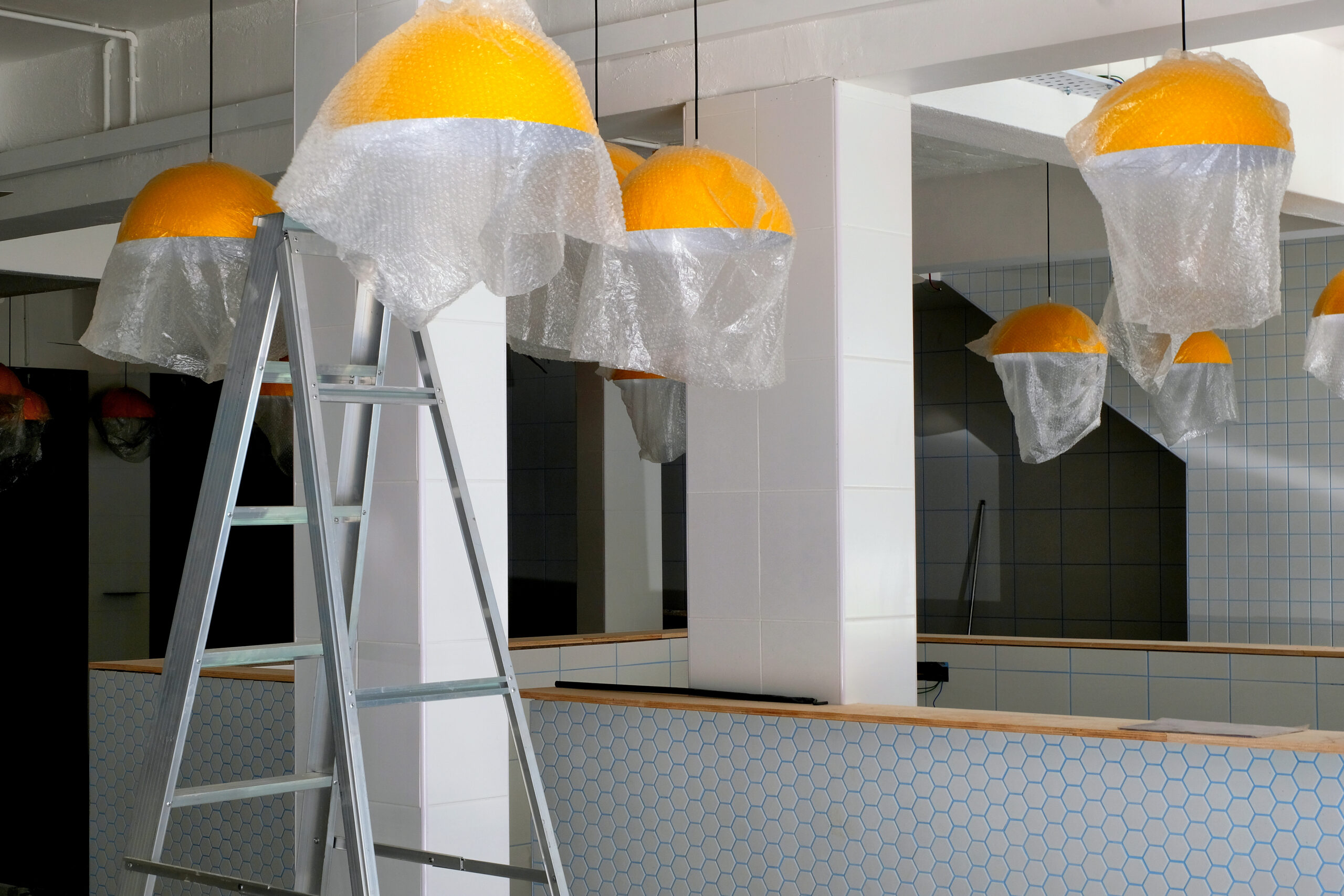
- Outdated lighting
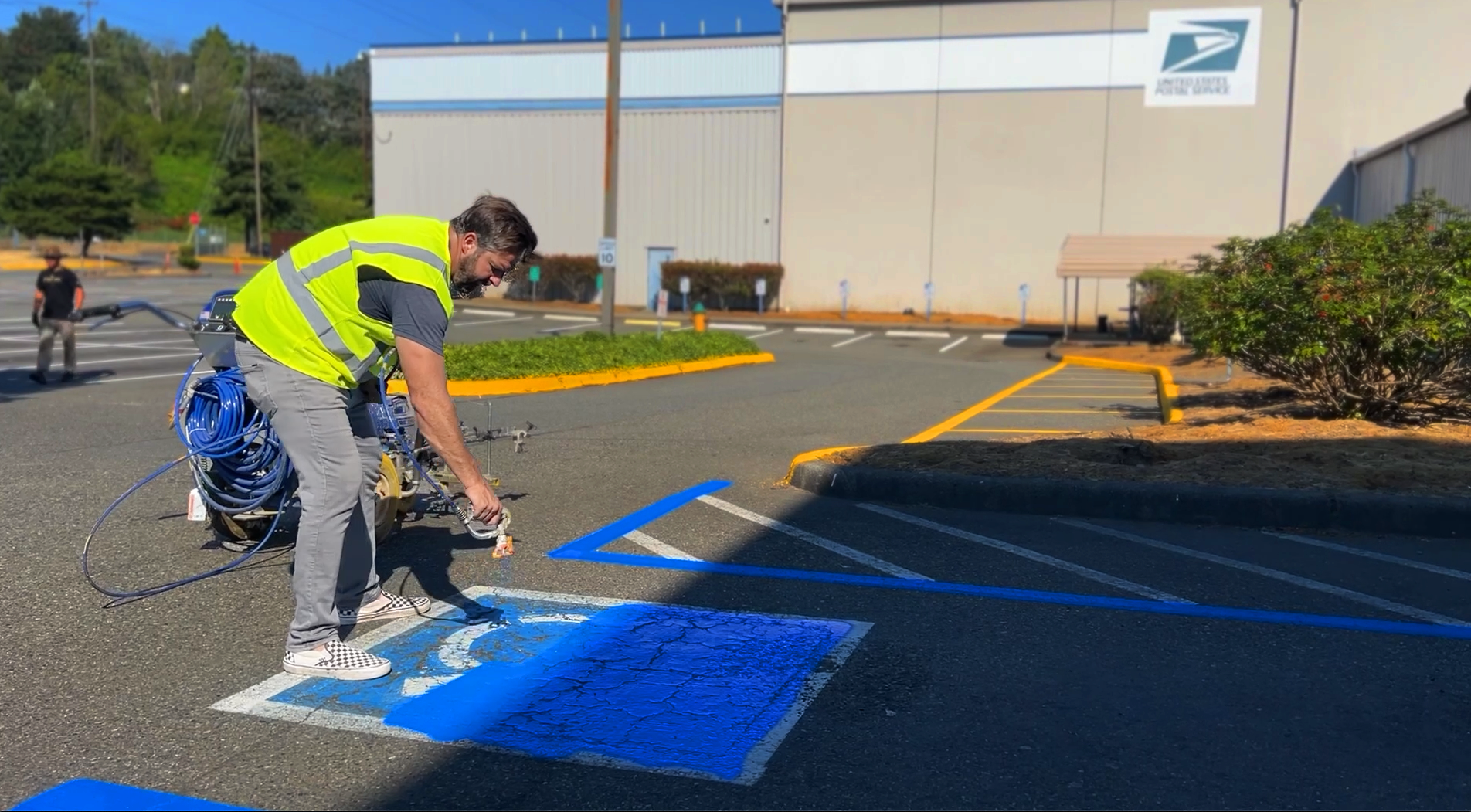
- Limited accessibility
- Inadequate technology infrastructure
Renovations can improve both functionality and efficiency while creating a more adaptable space for future growth.
3. Energy Costs Continue to Rise
Older facilities often rely on outdated systems that consume more energy than modern alternatives. Inefficient HVAC systems, aging insulation, and older lighting infrastructure can significantly increase operating expenses over time.
Energy-efficient renovations not only improve performance but also reduce long-term utility costs. Upgrades such as LED lighting, modern HVAC systems, and improved building insulation often provide measurable operational savings.
According to the U.S. Department of Energy, commercial building efficiency upgrades can substantially reduce annual energy consumption and improve building performance.
4. Customer and Employee Perception Is Declining
Facility appearance directly affects how people perceive a business. Outdated finishes, worn surfaces, poor lighting, or deteriorating exterior areas can negatively impact both customer experience and employee morale.
Even if a facility functions adequately, visible deterioration may create the impression that the property is not being properly maintained. Renovations help refresh the environment while reinforcing professionalism and consistency across locations.
At National Facility Contractors, we help organizations evaluate renovation opportunities that improve both operational performance and property appearance.
5. Deferred Maintenance Is Compounding
Deferred maintenance often starts with small issues that seem manageable. Over time, however, these issues compound into larger structural or operational problems.
For example:
- Roof leaks may lead to interior damage
- Cracked pavement may create safety hazards
- Outdated electrical systems may struggle to support current equipment demands
- Aging plumbing may increase water damage risks
When deferred maintenance begins affecting multiple building systems at once, renovation may become more cost-effective than continued repairs.
6. Compliance and Accessibility Standards Have Changed
Building codes, accessibility requirements, and safety standards continue to evolve. Older properties may no longer fully comply with current regulations, particularly regarding ADA accessibility, emergency systems, or energy standards.
Renovation projects provide an opportunity to modernize facilities while improving safety and compliance. Staying ahead of regulatory requirements helps reduce liability and support long-term operational continuity.
Planning Ahead Prevents Larger Problems
Major renovations are rarely the result of a single issue. More often, they become necessary after years of aging infrastructure, operational inefficiencies, and deferred upgrades. Recognizing the warning signs early allows organizations to plan strategically instead of reacting under pressure.
A proactive renovation strategy helps improve building performance, extend asset life, and create more functional environments for both employees and customers.
If your facilities are showing signs of aging or operational strain, consider scheduling a property assessment with National Facility Contractors. Early planning helps identify renovation priorities before issues become larger capital challenges.