Facility managers are constantly balancing short-term operational needs with long-term property investments. One of the most common areas of confusion is the difference between routine maintenance and capital expenditures. Understanding this distinction helps organizations budget more effectively, extend asset life, and make smarter decisions across their properties.
This capex vs facility maintenance guide explains how these two categories differ and why both are essential to long-term facility performance.
1. What Is Routine Facility Maintenance?
Routine facility maintenance includes recurring services and repairs that keep a property operating day to day. These tasks are typically smaller in scope and designed to preserve existing conditions rather than significantly improve or replace assets.
Examples of routine maintenance include:
- Janitorial services
- Landscaping upkeep
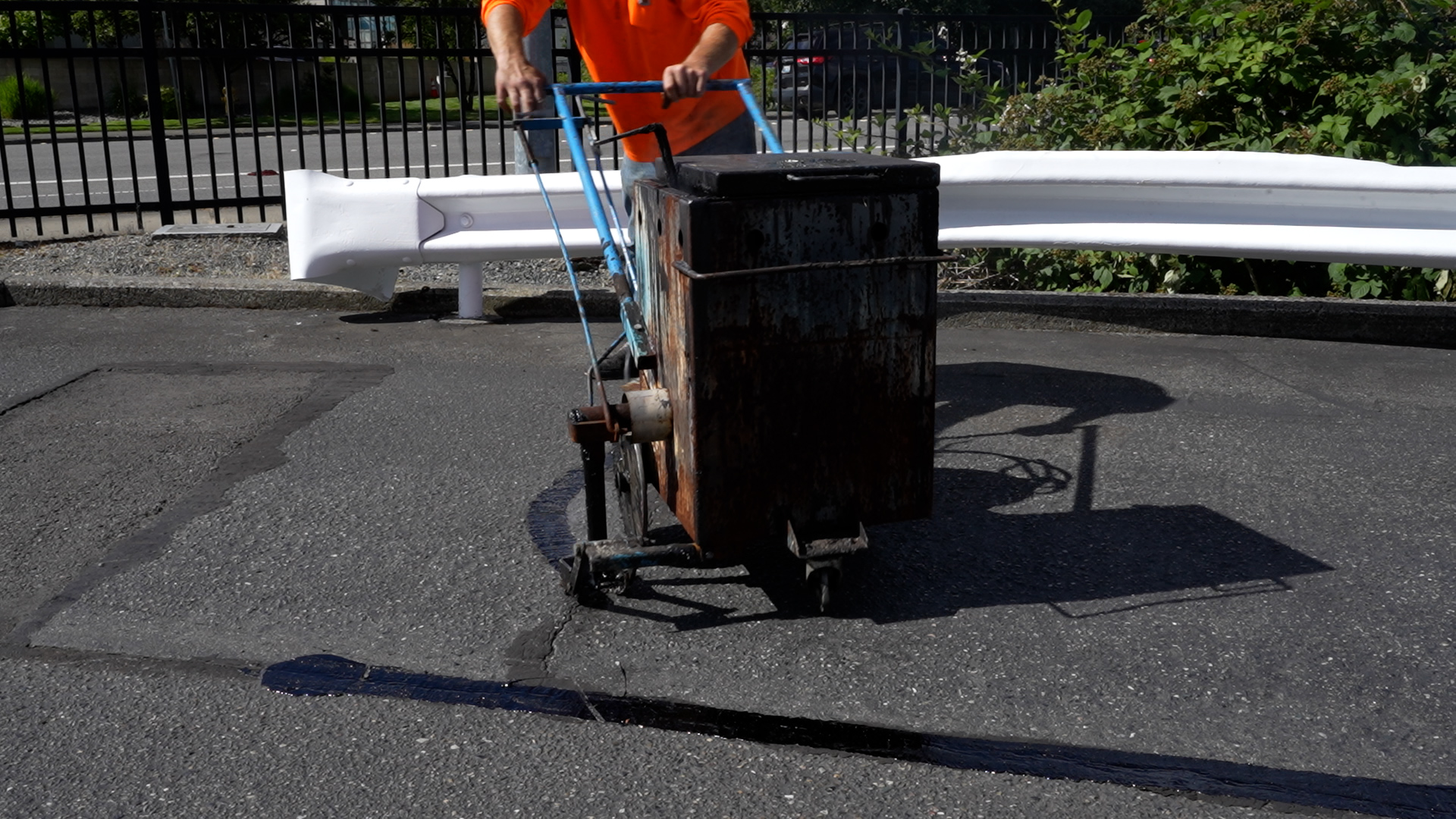
- Minor asphalt repairs
- HVAC servicing
- Lighting replacement
- Pressure washing
- Seasonal maintenance tasks
These services are generally considered operational expenses because they occur regularly and support normal facility function.
Consistent maintenance plays a critical role in preventing premature wear and avoiding larger issues later. According to the International Facility Management Association (IFMA), preventive maintenance programs significantly reduce unexpected repair costs and improve overall asset performance.
2. What Qualifies as a Capital Expenditure (CapEx)?
Capital expenditures, commonly referred to as CapEx, involve larger investments intended to improve, replace, or extend the life of a facility asset. These projects typically provide value over multiple years and are planned as part of a long-term budgeting strategy.
Examples of CapEx projects include:
- Roof replacement
- Parking lot reconstruction
- HVAC system replacement
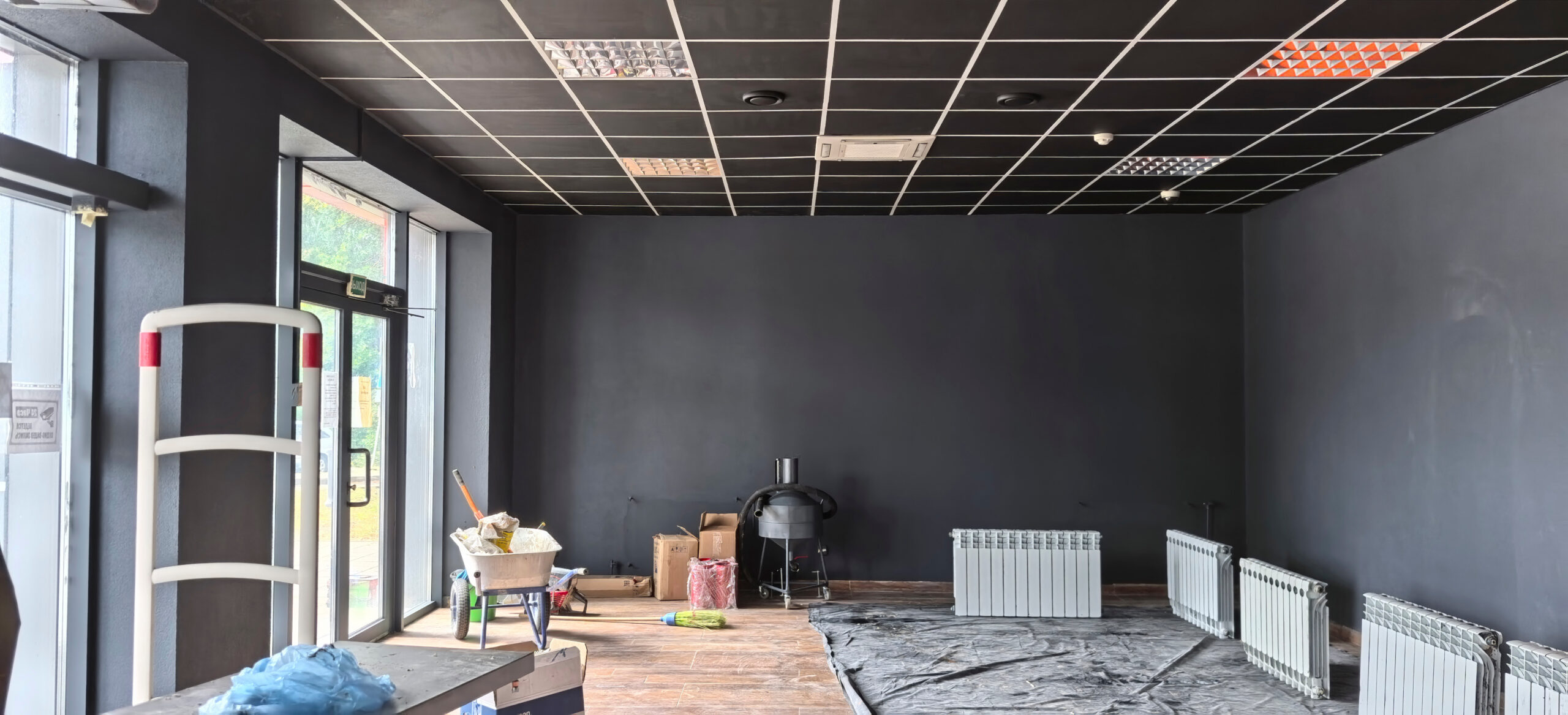
- Building renovations
- Structural repairs
- Lighting retrofits
- Large-scale exterior improvements
Unlike routine maintenance, CapEx projects are not recurring operational tasks. They are strategic investments intended to improve functionality, efficiency, safety, or property value over time.
3. Why the Difference Matters
Understanding the difference between operational maintenance and capital improvements affects more than accounting. It influences budgeting, forecasting, and long-term planning across an entire facility portfolio.
Routine maintenance helps preserve assets and delay deterioration. CapEx projects address larger infrastructure needs that maintenance alone can no longer resolve.
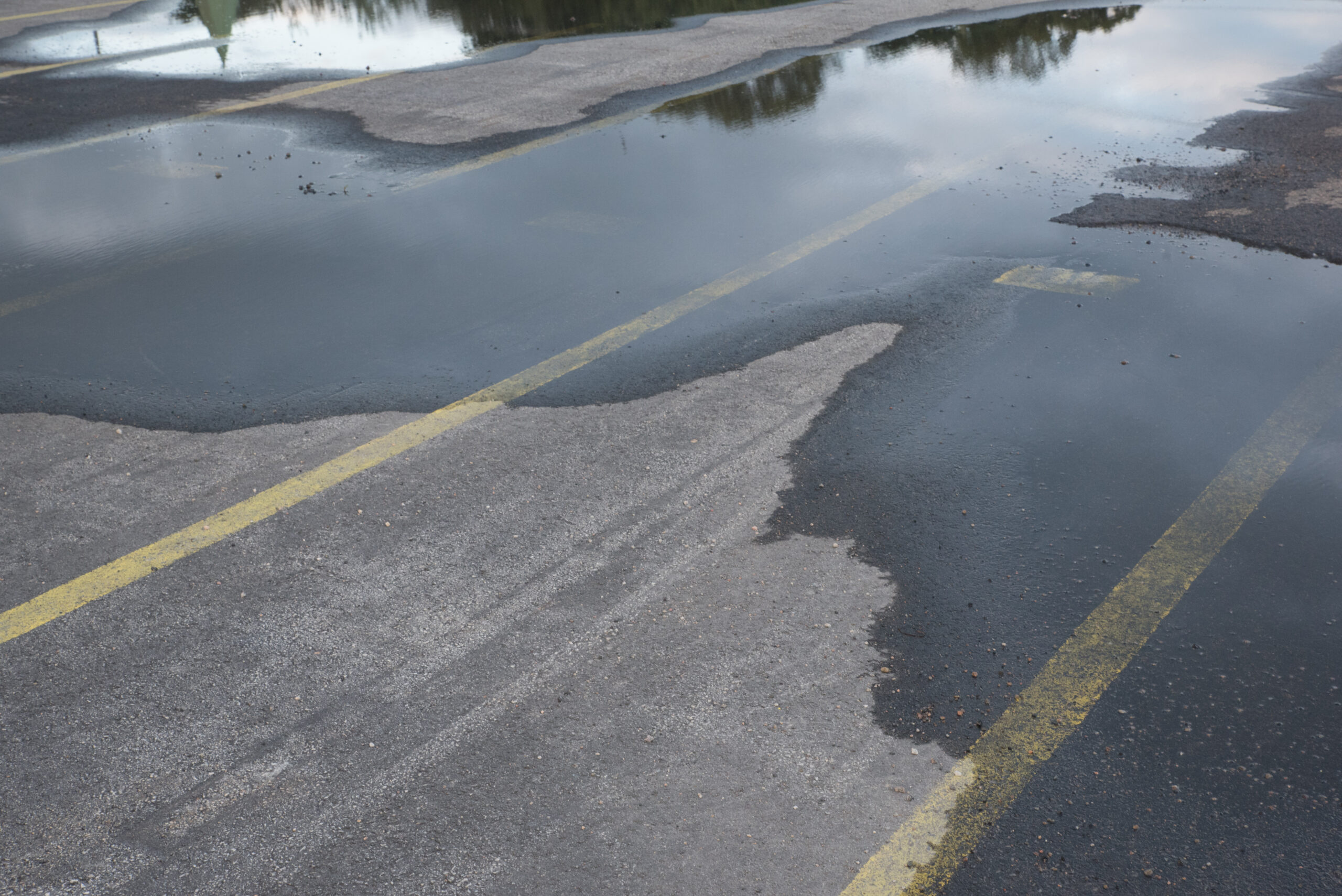
For example, patching small asphalt cracks may fall under maintenance, while full parking lot resurfacing is considered a capital improvement. Both are necessary, but they serve different purposes within a property management strategy.
A clear understanding of this distinction helps organizations prioritize spending and avoid reactive decision-making.
4. Deferred Maintenance Often Leads to Larger CapEx Projects
One of the biggest risks facility managers face is postponing maintenance for too long. Small issues that go unaddressed often evolve into major capital expenses.
A neglected roof leak may eventually require structural repairs. Inconsistent HVAC servicing can shorten equipment lifespan and lead to full system replacement earlier than expected.
This connection between maintenance and capital planning is why proactive facility management matters. Regular inspections and scheduled upkeep help organizations maximize the value of existing assets before larger investments become necessary.
At National Facility Contractors, we help organizations evaluate both operational maintenance needs and long-term capital improvement planning across multiple locations.
5. Building a Balanced Facility Strategy
Strong facility management requires both maintenance and capital planning working together. Organizations that focus only on reactive repairs often face higher costs and inconsistent property conditions over time.
A balanced strategy includes:
- Preventive maintenance schedules
- Regular facility assessments
- Long-term capital forecasting
- Prioritized project planning
- Asset lifecycle management
This approach helps reduce operational disruption while supporting safer, more efficient facilities.
Long-Term Facility Success Requires Both Maintenance and Investment
Routine maintenance and CapEx projects are not competing priorities. They are complementary parts of a complete facility management strategy. Maintenance protects assets today, while capital improvements prepare properties for the future.
Organizations that understand this relationship are better equipped to manage costs, improve facility conditions, and make smarter long-term decisions across every property they operate.
If your organization is evaluating long-term facility improvements or planning future capital projects, consider scheduling a facility assessment with National Facility Contractors. A proactive strategy today helps reduce unexpected costs and support long-term property performance.