Construction projects are challenging under any circumstances, but working at an active commercial facility adds another layer of complexity. Businesses must continue operating while construction crews manage safety, scheduling, and ongoing improvements within occupied spaces.
This commercial construction at active facilities guide explains what facility managers should expect during active-site construction projects and how proactive planning helps minimize disruption while keeping projects on track.
1. Planning Begins Long Before Construction Starts
Successful construction projects begin with detailed planning. Before any work starts, project teams should evaluate site conditions, operational schedules, access points, and safety requirements.
At active facilities, planning is especially important because construction must be coordinated around employees, customers, deliveries, and day-to-day operations.
Key planning considerations often include:
- Work hours and scheduling restrictions
- Traffic flow adjustments
- Temporary access routes
- Noise management
- Utility coordination
- Safety barriers and signage
The Occupational Safety and Health Administration (OSHA) emphasizes that proper site planning is essential for maintaining safe construction environments, particularly in occupied facilities.
2. Communication Is Critical Throughout the Project
One of the biggest challenges during active-site construction is communication. Facility managers, tenants, contractors, and employees all need clear information about schedules, access changes, and project milestones.
Without consistent communication, even small disruptions can create confusion or operational delays.
Strong construction communication plans typically include:
- Regular project updates
- Clearly posted work schedules
- Temporary directional signage
- Safety notifications
- Emergency contact procedures
Keeping stakeholders informed helps reduce frustration and improves coordination throughout the project lifecycle.
3. Safety Becomes a Shared Responsibility
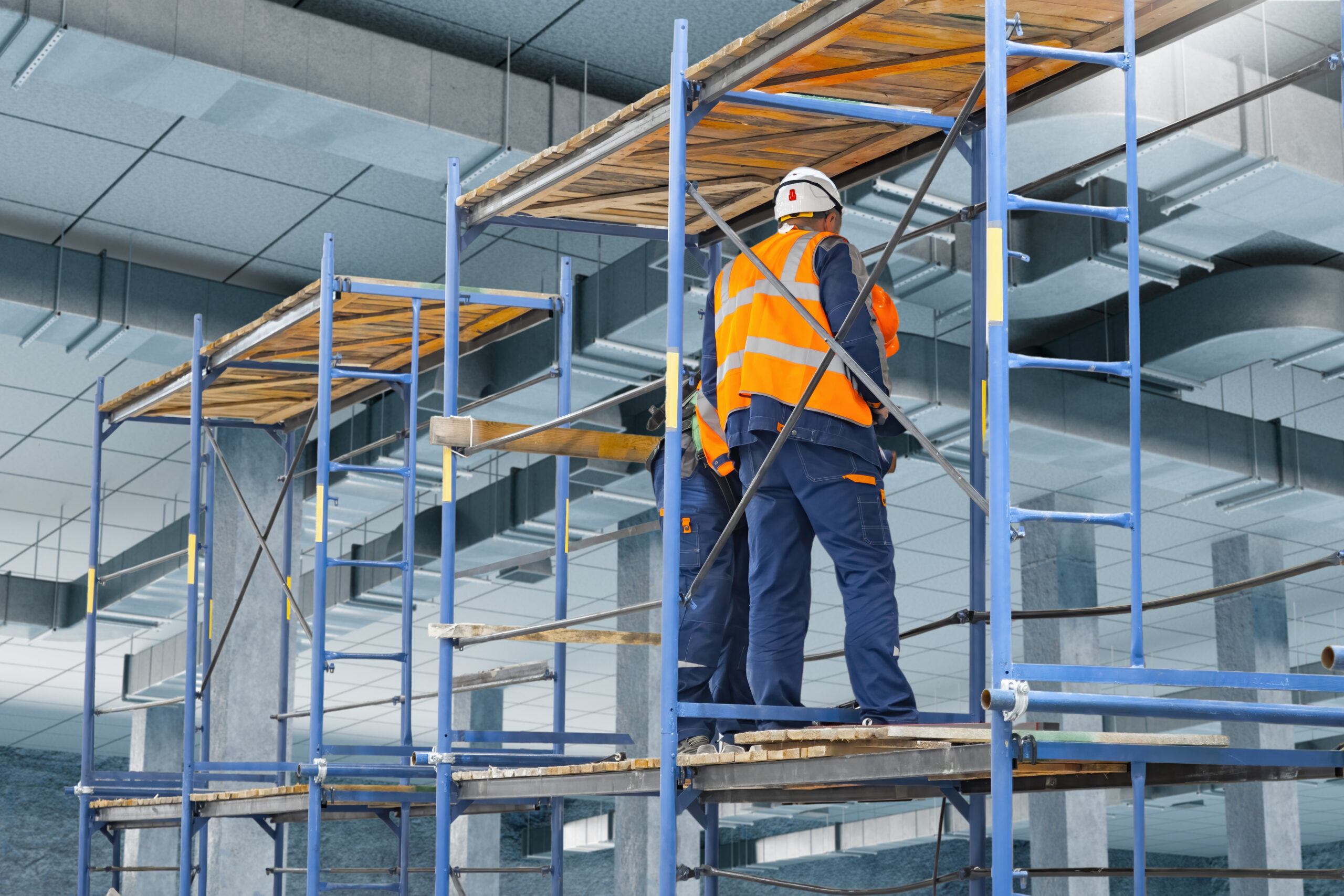
Construction zones introduce risks that must be carefully managed, especially in occupied environments. Protecting employees, customers, and contractors requires clearly defined safety protocols and controlled work areas.
Temporary barriers, fencing, dust control measures, and designated pathways help separate construction activity from occupied spaces. In some cases, work may need to occur during evenings or off-hours to reduce exposure and disruption.
Facility managers should also ensure that emergency exits, fire lanes, and accessibility routes remain compliant throughout the project.
At National Facility Contractors, active-site construction planning focuses heavily on safety coordination and operational continuity across every phase of the project.
4. Operational Disruptions Should Be Expected and Managed
Even with strong planning, construction projects naturally create some level of disruption. Noise, temporary closures, parking adjustments, and limited access are common realities during active-site improvements.
The goal is not eliminating disruption entirely, but minimizing its operational impact. This often requires phased construction schedules that allow portions of the property to remain fully functional while work progresses in designated areas.
Phased construction helps organizations:
- Maintain daily operations
- Reduce downtime
- Limit customer disruption
- Improve scheduling flexibility
- Maintain safer work environments
This approach is especially important for retail centers, healthcare facilities, office buildings, and multi-tenant properties.
5. Flexibility Is Essential During Construction
Unexpected conditions are common during commercial construction. Hidden structural issues, utility conflicts, weather delays, or material shortages may require schedule adjustments throughout the project.
Flexibility and proactive problem-solving help keep projects moving forward while minimizing operational impact. Regular coordination meetings between facility managers and project teams allow issues to be addressed quickly before they escalate into larger delays.
The Construction Management Association of America (CMAA) highlights proactive coordination as one of the most important factors in successful commercial construction management.
6. Final Walkthroughs and Project Closeout Matter
As construction nears completion, final inspections and walkthroughs ensure that all work meets project expectations and safety requirements. This phase typically includes punch list items, quality checks, and documentation review.
Project closeout may also involve:
- Warranty documentation
- Final safety inspections
- Equipment training
- Maintenance recommendations
- Updated site documentation
A thorough closeout process helps ensure a smoother transition back to normal operations once construction is complete.
Preparation and Communication Drive Successful Projects
Commercial construction at active facilities requires more than construction expertise alone. It demands planning, coordination, communication, and flexibility throughout every phase of the project.
Organizations that prepare proactively and maintain clear communication are better positioned to minimize disruption while improving their facilities’ safety and efficiency.
If your organization is planning improvements at an occupied facility, consider consulting with National Facility Contractors. A structured construction strategy helps maintain operational continuity while supporting long-term property improvements.