Unexpected capital expenses rarely appear without warning. In most cases, buildings show signs of deterioration long before major failures occur. The challenge is recognizing those warning signs early enough to act strategically instead of reactively.
This capital planning guide explains how proactive facility assessments help organizations identify risks, prioritize improvements, and avoid costly surprises across commercial properties.
1. What Is a Facility Assessment?
A facility assessment is a structured evaluation of a property’s physical condition, operational systems, and long-term infrastructure needs. The goal is to identify issues before they become major failures that require emergency repairs or unplanned capital expenditures.
Assessments typically review:
- Roofing systems
- HVAC equipment
- Plumbing and electrical infrastructure
- Asphalt and concrete surfaces
- Structural components
- Exterior conditions
- Interior finishes and systems
By documenting asset condition and estimated lifespan, facility managers gain a clearer understanding of where future investments may be needed.
According to the Building Owners and Managers Association (BOMA), regular property assessments improve long-term planning and reduce the likelihood of unexpected facility disruptions.
2. Small Problems Often Become Expensive Repairs
One of the biggest advantages of facility assessments is early problem detection. Minor issues are significantly easier and less expensive to address before they escalate.
For example:
- Small roof leaks can eventually lead to structural damage
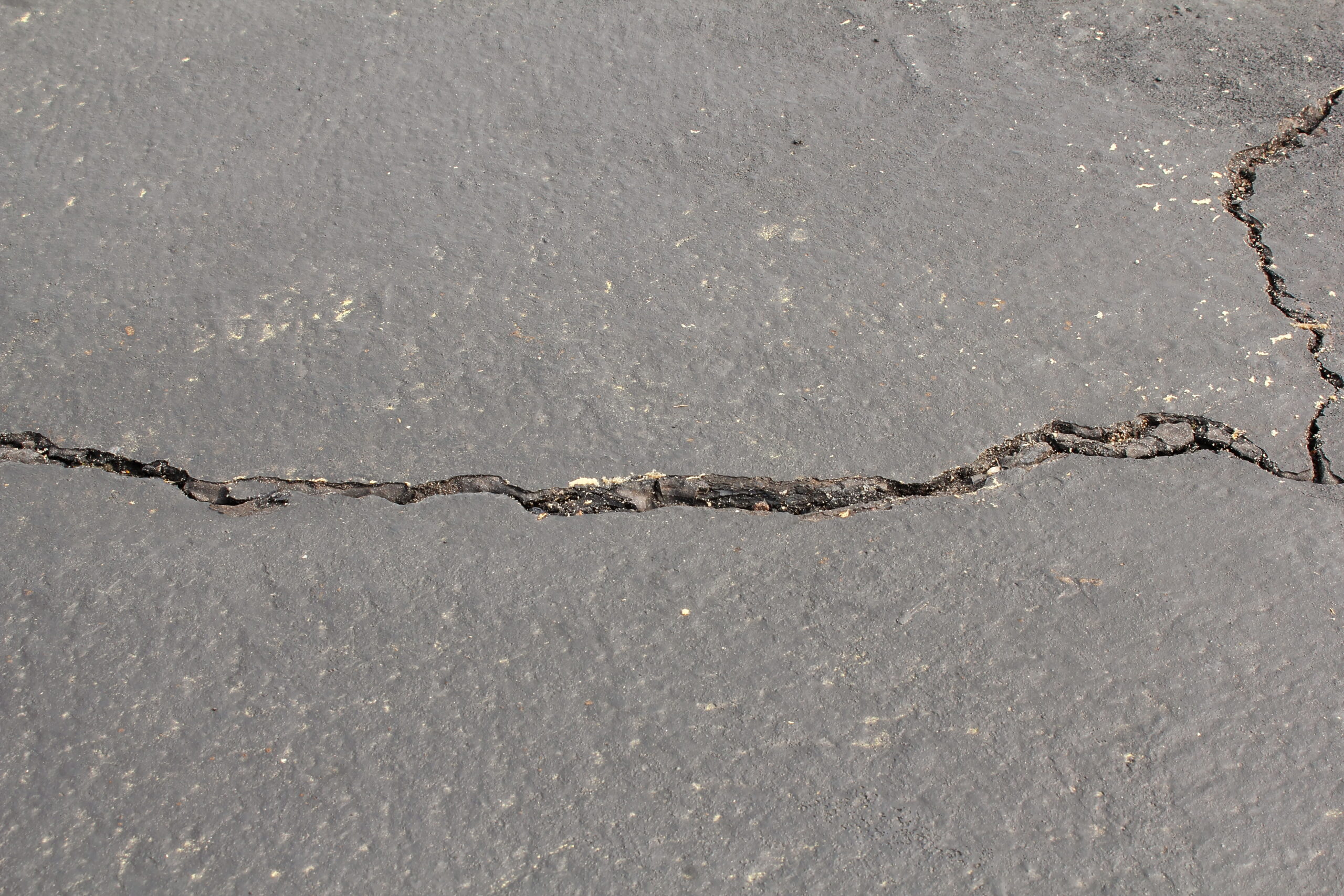
- Minor asphalt cracks can develop into potholes and base failure
- Aging HVAC systems may lose efficiency long before complete failure occurs
- Drainage problems can contribute to erosion and foundation concerns
Without regular assessments, these issues often remain hidden until repairs become urgent and costly.
3. Facility Assessments Support Better Capital Planning
Capital planning becomes far more effective when decisions are based on data rather than emergencies. Facility assessments provide organizations with a roadmap for future investments, helping prioritize projects based on condition, risk, and operational impact.
This allows organizations to:
- Forecast future capital needs
- Build more accurate budgets
- Extend asset lifespan
- Reduce reactive spending
- Improve project scheduling
A proactive planning strategy creates more financial stability while supporting long-term property performance.
At National Facility Contractors, facility assessments are an important part of helping organizations identify long-term improvement priorities across multi-site portfolios.
4. Multi-Site Portfolios Require Consistent Evaluation
For organizations managing multiple locations, inconsistent inspections often create uneven property conditions. Some facilities may receive timely upgrades, while others continue operating with aging systems and hidden infrastructure issues.
Standardized assessments help maintain consistency across every site by evaluating properties using the same criteria. This improves visibility into portfolio-wide conditions and helps leadership allocate resources more strategically.
Common assessment factors include:
- Asset age and condition
- Repair frequency
- Safety concerns
- Energy efficiency
- Operational impact
- Customer-facing appearance
This level of consistency supports stronger long-term decision-making across the entire portfolio.
5. Assessments Help Reduce Operational Disruption
Unexpected failures rarely happen at convenient times. Emergency repairs often disrupt operations, impact customers, and create scheduling challenges that could have been avoided with proactive planning.
Routine facility assessments help organizations identify potential risks before they affect daily operations. Planned repairs are typically more efficient, less disruptive, and more cost-effective than emergency responses.
The International Facility Management Association (IFMA) emphasizes that proactive facility planning improves operational continuity while reducing lifecycle costs for commercial properties.
6. Data Improves Long-Term Decision-Making
Modern facility assessments rely heavily on documentation and data tracking. Inspection reports, maintenance history, repair trends, and asset lifecycle data all help organizations make more informed decisions about future investments.
Instead of reacting to isolated issues, facility managers can identify patterns and prioritize projects strategically. This approach reduces uncertainty while improving accountability and budgeting accuracy.
Proactive Assessments Prevent Reactive Spending
Unexpected capital expenses are often the result of deferred planning rather than sudden failure. Facility assessments provide organizations with the information needed to act early, prioritize wisely, and maintain greater control over long-term property costs.
By identifying issues before they become emergencies, organizations can reduce disruption, protect assets, and create stronger long-term facility strategies.
If your organization is evaluating long-term facility conditions or planning future improvements, consider scheduling a facility assessment with National Facility Contractors. Early visibility into property conditions helps support smarter capital planning decisions.