September occupies an unusual place on the facility management calendar. Summer is winding down, but fall has not fully settled in. Warm afternoons can still feel like August, while cooler mornings offer an early reminder of the conditions ahead. For facility managers, this period creates a valuable facility maintenance window to evaluate exterior conditions before colder weather begins changing the property.
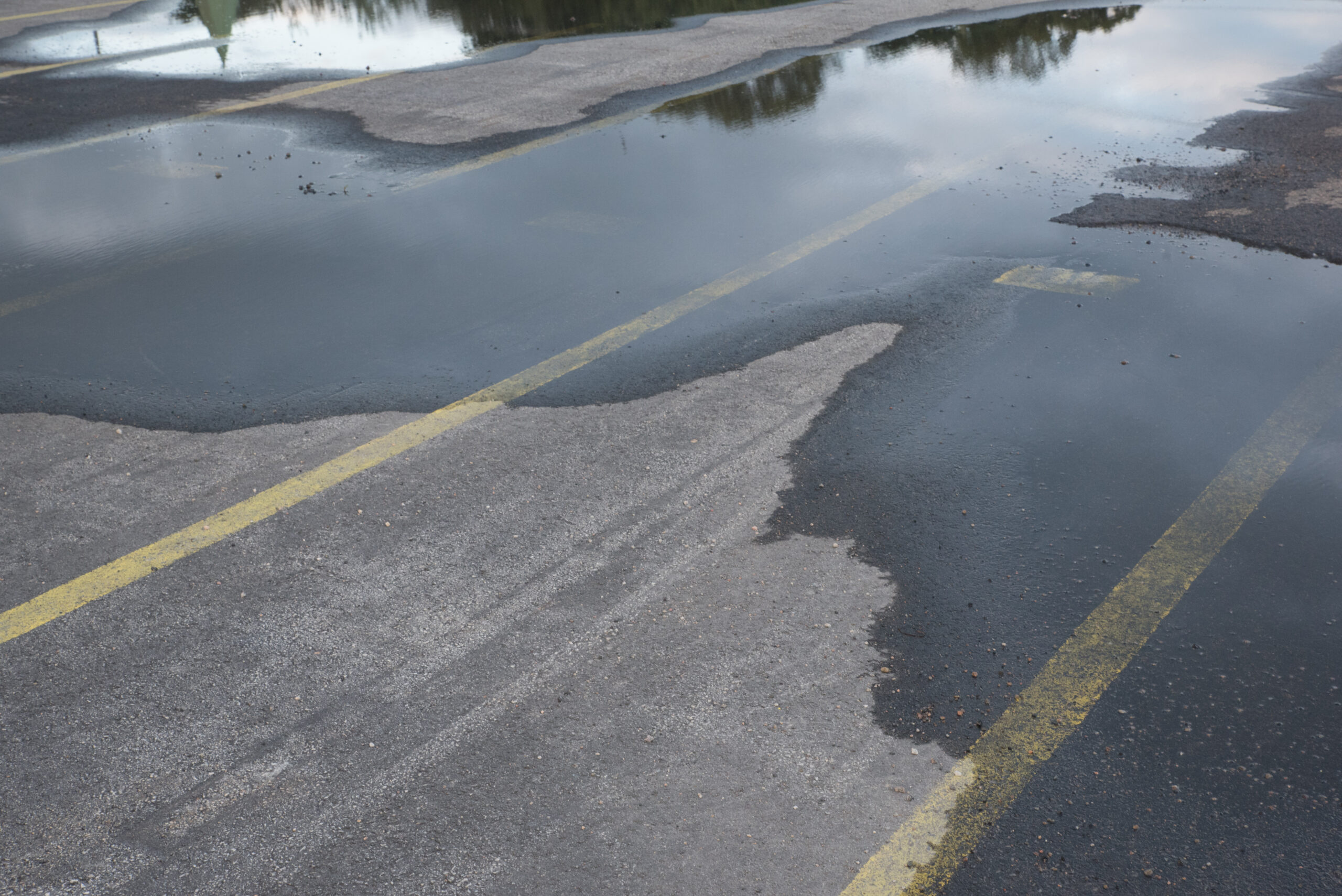
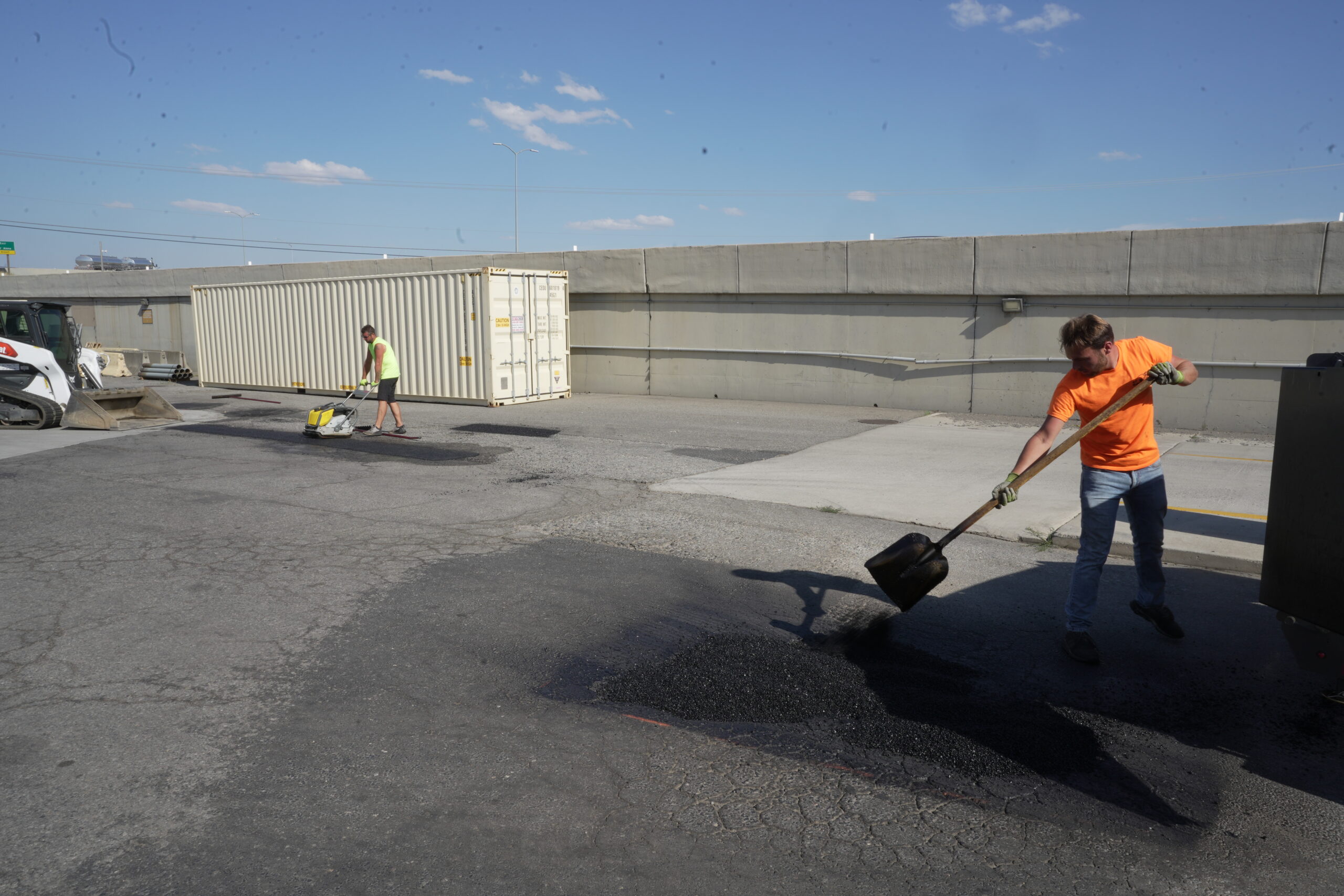
Summer can leave plenty of evidence behind. Heat, heavy traffic, thunderstorms, landscaping activity, construction, deliveries, and everyday use all affect commercial properties in different ways. Cracks may have developed in asphalt. Concrete may show new deterioration. Drainage problems may have appeared during summer storms. Pavement markings may have faded. Curbs, sidewalks, loading areas, and other exterior surfaces may need attention.
September provides an opportunity to see those conditions clearly and decide what deserves attention before the next seasonal transition.
That is the idea behind The In-Between, our September facility maintenance series. Throughout the month, we will look at the period between summer and colder weather and explore how facility managers can use it to better understand their properties.
Start With What Summer Left Behind
A good September property inspection should begin by looking backward.
Think about what your property experienced during the previous several months. High temperatures and prolonged sunlight exposed asphalt to summer conditions. Vehicle traffic continued to place loads on parking lots and drive lanes. Delivery vehicles repeatedly used loading and service areas. Stormwater moved across pavement and through drainage systems. Landscaping grew around curbs, sidewalks, signs, and drainage structures.
None of those conditions automatically means something is wrong. They simply provide context for what you see during an inspection.
Walk the property and look for changes that may have developed since spring. Compare current conditions with previous inspection photographs when available. Pay particular attention to areas that receive heavy traffic, hold water, or have required repairs in the past.
The objective is not to create a repair project out of every imperfection. It is to understand what changed.

Inspect Asphalt Before Cold Weather Changes the Picture
Commercial asphalt rarely deteriorates uniformly across an entire property. Entrances, drive lanes, loading areas, dumpster enclosures, parking stalls, and truck routes all experience different types and levels of use.
September is a good time to inspect those areas individually.
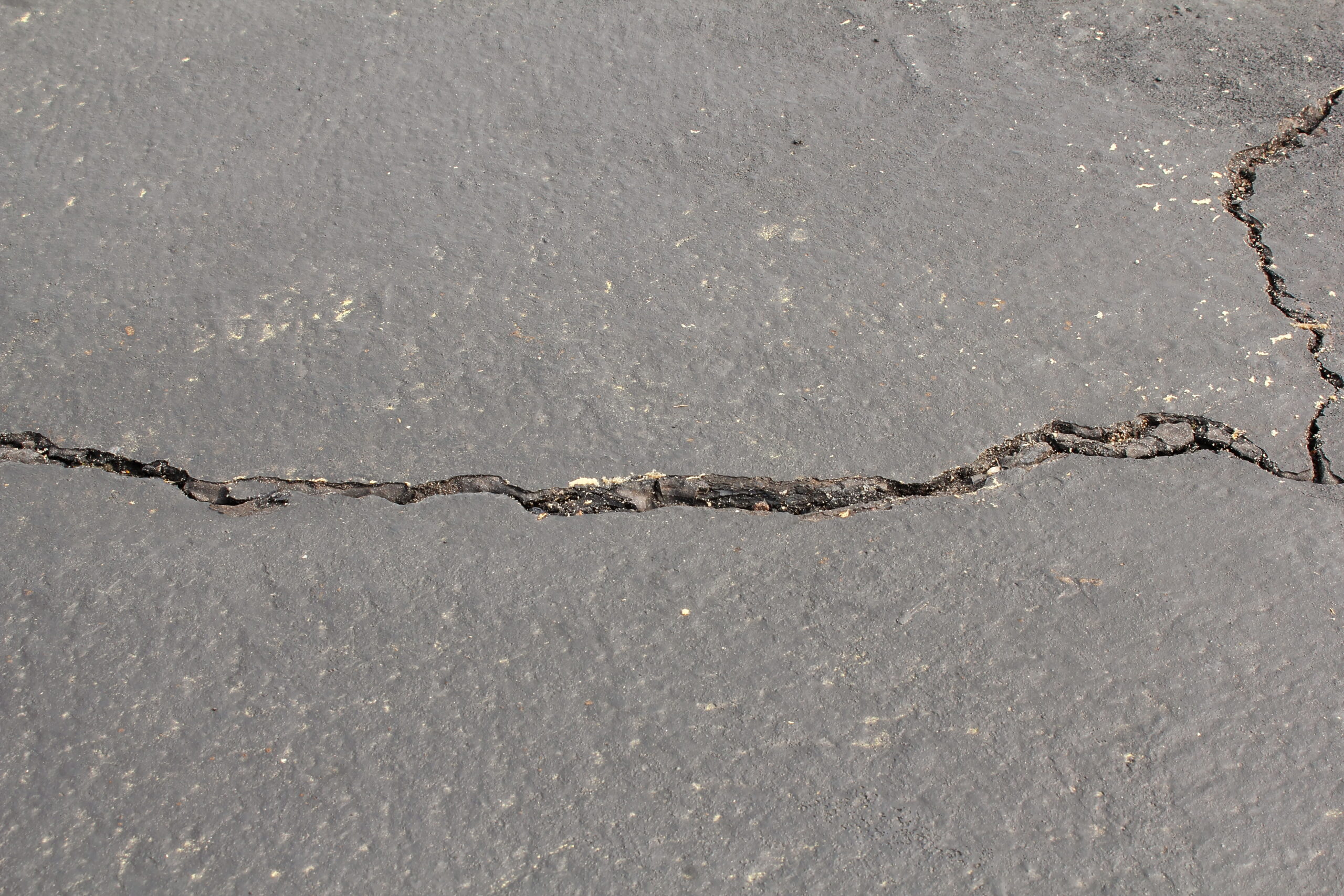
Look for new or widening cracks, potholes, raveling, depressions, rutting, edge deterioration, and failed previous repairs. Notice whether the same conditions appear throughout the property or remain concentrated in particular locations.
Cracks deserve particular attention because they create openings where water can enter the pavement system. As we discussed in our Asphalt August resource on asphalt crack repair, the visible crack is only part of the concern. Water that reaches supporting layers beneath the asphalt can contribute to additional deterioration.
That becomes increasingly relevant as temperatures move toward freezing conditions.
Not every crack requires the same response, and not every pavement defect needs immediate repair. Documenting what exists now gives facility managers better information for deciding what should be addressed, monitored, or included in future pavement planning.
Take Another Look at Your Concrete
Asphalt tends to receive much of the attention in parking lot maintenance, but September inspections should include concrete surfaces as well.
Walk sidewalks, curbs, ramps, entrances, loading areas, dumpster pads, and transitions between asphalt and concrete. Look for cracks, spalling, settlement, broken edges, uneven surfaces, and deterioration around joints.
Concrete conditions can affect more than appearance. Elevation changes may influence pedestrian routes and drainage, while damaged curbs or joints can allow water to move into areas where it should not.
Pay close attention to transitions. The point where a sidewalk meets asphalt, where a concrete apron meets a drive lane, or where pavement surrounds a drainage structure can reveal movement that is easy to miss when each material is inspected separately.
These transition areas often tell a useful story about how the property is performing as a system.
Follow the Water
One of the most useful facility inspections happens during or shortly after rain.
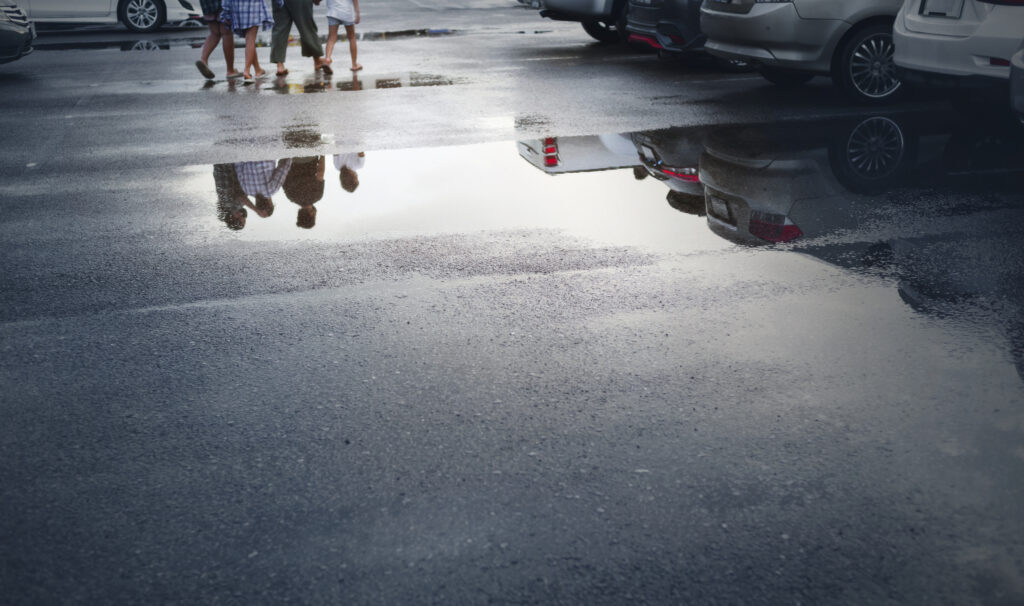
Dry pavement can show cracks, surface wear, faded markings, and other visible conditions. Wet pavement reveals something different: where the water actually goes.
Watch how stormwater moves across parking lots and drive lanes. Check catch basins, storm drains, curbs, low areas, entrances, loading zones, and pedestrian routes. Once most of the pavement has dried, look for areas where water remains.
Recurring standing water can point to depressions, settlement, clogged drainage structures, inadequate drainage paths, or changes in pavement elevation.
September adds another consideration. Leaves and other seasonal debris will soon begin accumulating around many commercial properties. A drainage system that is already struggling does not become easier to manage when additional debris enters the picture.
Facility managers do not need to wait for a major storm to discover these conditions. A normal rainfall can provide a useful map of how water moves across the property.
Facility Management Term: Drainage Path
A drainage path is the route water follows as it moves across or away from a property toward a drainage structure, swale, gutter, retention area, or other intended destination.
On a commercial property, pavement elevations, slopes, curbs, catch basins, landscaping, and other site features can all influence that path.
Drainage paths can also change over time. Pavement settles. Repairs alter elevations. Landscaping grows. Debris accumulates. Catch basins become obstructed.
Knowing where water is supposed to go makes it easier to recognize when it is going somewhere else.
Look at Pavement Markings While You Can See the Whole Lot
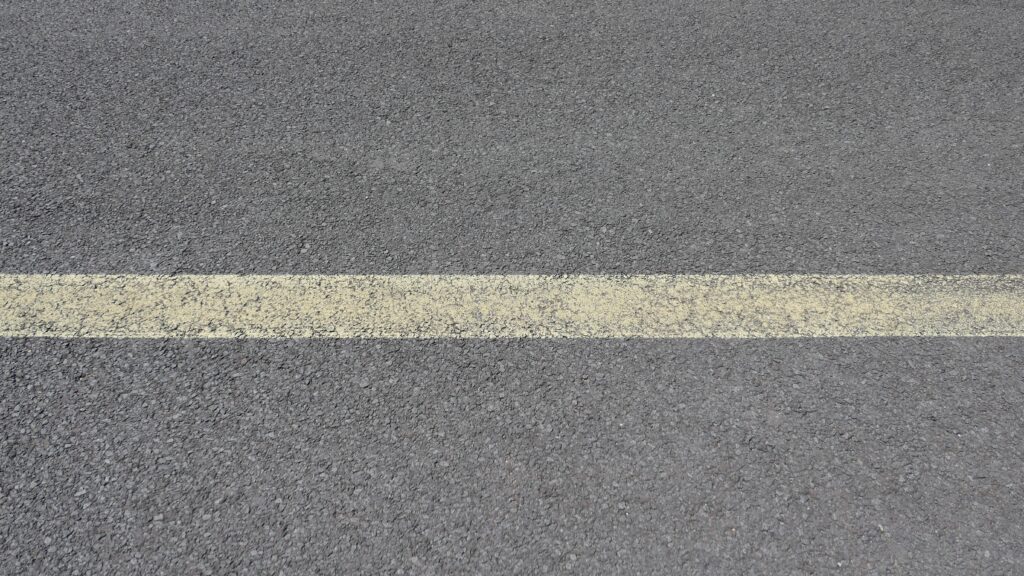
September is also a useful time to evaluate parking lot striping and pavement markings.
Look beyond individual parking stall lines. Review crosswalks, directional arrows, accessible parking markings, loading areas, fire lanes, stop bars, traffic lanes, and other markings used to organize movement across the property.
Ask a simple question: would someone visiting this property for the first time understand where to drive, park, walk, and stop?
Faded markings can become less noticeable gradually, particularly to people who see the property every day. A fresh set of eyes can help. Walk or drive the property as a visitor would and pay attention to areas where the intended traffic pattern becomes unclear.
This is also worth documenting before winter in colder climates. Once snow, salt, deicing materials, plowing, and winter grime enter the picture, pavement markings face another season of wear.
Pay Attention to High-Stress Areas
A parking lot may cover a large portion of a commercial property, but some of its smallest areas experience the greatest demands.
Loading docks are a good example. Trucks repeatedly approach, turn, stop, and depart from roughly the same locations. Dumpster areas experience concentrated loads from containers and collection vehicles. Entrances and exits handle braking, acceleration, and turning throughout the day.
These areas deserve their own inspection.
Look for pavement deformation, cracking, depressions, broken concrete, damaged curbs, standing water, or previous repairs that are beginning to deteriorate.
If one area repeatedly requires attention, consider the pattern rather than viewing each repair in isolation. Traffic, drainage, vehicle weight, pavement structure, or another site condition may be contributing to the recurrence.
The location of pavement damage can sometimes tell you as much as the damage itself.
Remember That Daylight Is Changing Too
Not every September exterior inspection needs to focus on pavement.
Daylight begins changing noticeably as the season progresses, which makes exterior lighting increasingly important to everyday property operations. Areas that appeared adequately illuminated during long summer evenings may look different when employees, customers, vendors, and delivery drivers begin arriving or leaving in darkness.
Inspect parking lot lighting, pedestrian routes, building entrances, loading areas, service areas, and other frequently used exterior spaces.
This is another reason seasonal facility inspections work best when they occur under different conditions. A property viewed at noon, after a rainstorm, and after sunset can reveal three very different sets of information.
Begin the Winter Conversation Without Turning September Into Winter
For properties in snow and ice markets, September is also an appropriate time to review winter operations.
That does not mean winter should take over the entire facility plan. There is still plenty of time between September and the first significant snowfall in many markets, and seasonal conditions vary considerably across the country.
Instead, use September to establish what winter operations will eventually encounter.
Are there damaged curbs that may be difficult to see under snow? Are pavement markings clear enough to document important site features? Have islands, drains, hydrants, loading areas, accessible routes, and other priority locations changed since last winter? Are there pavement or concrete repairs that could affect snow and ice operations?
For multi-site organizations, this is also a useful time to confirm that current property information is available for each location.
Snow planning works better when it starts with an accurate understanding of the site.
NFC Pro Tip
Photograph the property before the seasons change.
Take wide photographs of parking areas, entrances, loading zones, sidewalks, curbs, drainage structures, and other important exterior features. Then take closer photographs of conditions you intend to monitor.
The value comes from consistency. Photographing the same locations from similar angles during future inspections makes changes easier to identify.
A photograph from September can become a useful reference in December, next spring, or during next year’s capital planning process.
Decide What Needs Attention Now and What Can Wait
A thorough inspection will probably produce more observations than immediate projects.
That is expected.
The next step is prioritization. Consider the severity of each condition, how the area is used, whether deterioration appears to be progressing, how weather may affect it, and what could happen if the issue remains unresolved.
Some conditions may warrant maintenance or repair while favorable weather remains. Others may need monitoring. Larger projects may belong in a future capital budget rather than the current maintenance schedule.
This distinction matters because effective facility management does not mean repairing everything at once.
It means making informed decisions about what to address, when to address it, and why.
The Advantage of Looking Between Seasons
Seasonal transitions reveal things that routine inspections can miss.
Summer shows how a property responds to heat, storms, vegetation growth, traffic, and heavy use. Fall introduces falling leaves, shorter days, cooler temperatures, and changing drainage conditions. Winter may eventually add freezing temperatures, snow, ice, deicing materials, and plowing operations.
September sits between those conditions.
That makes it an opportunity to examine the property while evidence from one season remains visible and signs of the next are beginning to appear.
For facility managers, that perspective can be particularly valuable. Instead of waiting for the calendar to dictate the next maintenance task, you can use changing conditions to understand what the property needs.
Key Takeaways
- September provides a useful window for evaluating exterior property conditions between summer and colder weather.
- Review asphalt for cracks, potholes, raveling, depressions, rutting, edge deterioration, and failed repairs.
- Include concrete sidewalks, curbs, entrances, ramps, loading areas, and asphalt-to-concrete transitions in your inspection.
- Inspect drainage during or after rainfall to understand how water actually moves across the property.
- Review pavement markings from the perspective of someone unfamiliar with the site.
- Give additional attention to loading docks, dumpster areas, entrances, exits, and other high-stress pavement.
- Evaluate exterior lighting as daylight hours decrease.
- Document current site conditions before winter operations begin.
- Use photographs and inspection records to track changes over time.
- Prioritize maintenance based on condition, use, timing, and the consequences of waiting.
Frequently Asked Questions About September Facility Maintenance
What Should Facility Managers Inspect in September?
September exterior inspections can include asphalt, concrete, sidewalks, curbs, drainage systems, pavement markings, exterior lighting, landscaping interfaces, loading areas, dumpster areas, entrances, and other site features. Properties in colder climates can also begin reviewing conditions that may affect future snow and ice operations.
Why Should Asphalt Be Inspected Before Winter?
An inspection can identify cracks, potholes, drainage problems, depressions, and other pavement conditions before freezing temperatures and winter operations begin. This gives facility managers time to document conditions and determine whether maintenance or repair is appropriate.
Why Should I Inspect a Parking Lot After Rain?
Rain makes drainage patterns easier to see. Standing water can reveal low areas, settlement, blocked drainage structures, or other conditions that may not be obvious when pavement is dry.
Should Concrete Be Included in a Seasonal Property Inspection?
Yes. Sidewalks, curbs, ramps, entrances, loading areas, dumpster pads, and other concrete surfaces should be reviewed for cracking, settlement, spalling, damaged joints, and other deterioration.
Is September Too Early to Think About Snow Removal?
For properties in snow and ice markets, September can be a useful time to review site conditions and winter operational needs. The objective is not to treat September like winter, but to make sure current property conditions are understood before winter weather arrives.
How Can Multi-Site Facility Managers Prioritize Exterior Maintenance?
Start with a consistent inspection process across locations, then prioritize individual conditions based on severity, property use, operational impact, progression, seasonal timing, and available budget. A standardized evaluation process does not require every property to receive the same maintenance treatment.
What’s Next in The In-Between?
Next Thursday, we’ll take a closer look at one of the most important connections between late-summer pavement conditions and colder weather: cracks, water, and the approaching freeze-thaw season.
A crack that appears relatively unchanged today may behave differently once water and freezing temperatures enter the equation. Understanding that relationship can help facility managers decide which pavement conditions deserve a closer look before winter.
Use September to Understand What Your Property Needs
September does not require facility managers to choose between finishing summer maintenance and preparing for winter. The value of this period comes from seeing both at the same time.
Walk the property. Look at the pavement and concrete. Follow the water. Review high-traffic areas. Check exterior lighting. Document what has changed. Then separate the conditions that need attention now from those that should be monitored or planned for later.
The seasons are changing. Your facility plan should reflect what is actually happening on the property.
National Facility Contractors provides asphalt, concrete, snow and ice management, landscaping, and other facility services for commercial properties and multi-site organizations nationwide.
If your September property inspection identifies exterior maintenance or repair needs, contact National Facility Contractors to discuss the conditions at your property and the appropriate next steps.