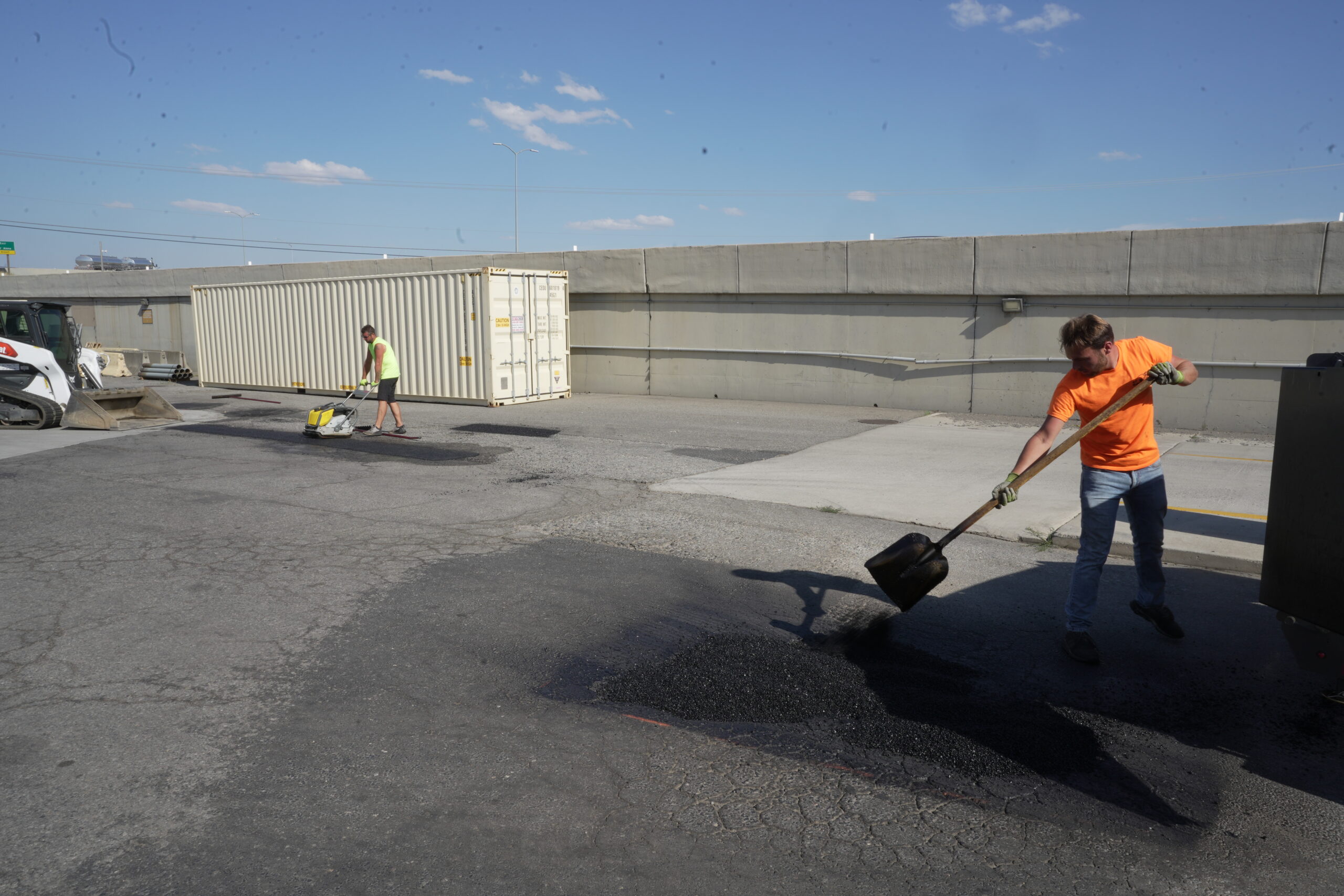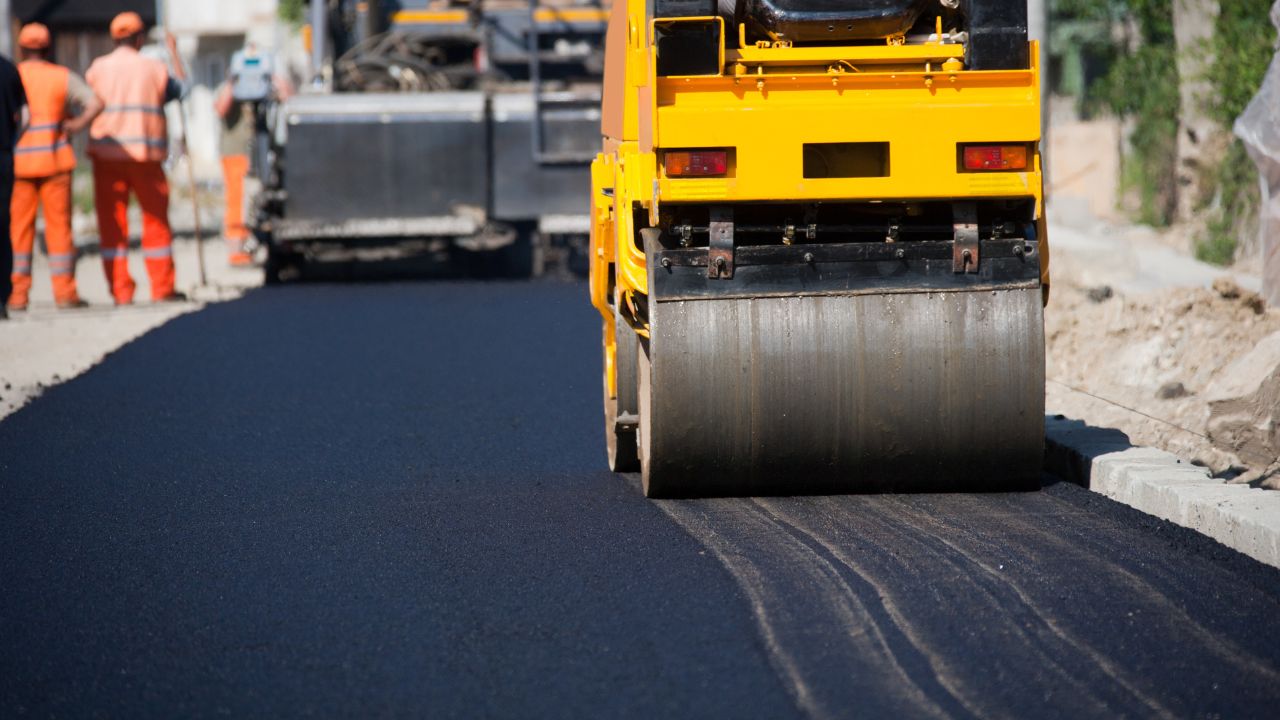
Commercial parking lot maintenance is one of the most overlooked responsibilities in facility management.
Most people don’t think much about a parking lot until something goes wrong. A pothole damages a vehicle. A customer trips over uneven pavement. Standing water creates a slip hazard after a storm. Suddenly, one of the largest physical assets on a commercial property becomes impossible to ignore.
The truth is that a parking lot is much more than a place to park. It plays a critical role in safety, accessibility, operations, and the overall impression your property makes on customers, tenants, employees, and visitors.
Welcome to Asphalt August, National Facility Contractors’ month-long educational series dedicated to helping facility managers, property managers, and commercial property owners protect one of the most valuable investments on their property. Throughout this series, we’ll explore practical maintenance strategies, explain common pavement problems, and share professional insights to help extend the lifespan of your asphalt and concrete.

Why Parking Lots Matter More Than Most People Realize
For many businesses, the parking lot is the first physical interaction someone has with the property. Before customers walk through the front door, before tenants enter the lobby, and before employees begin their day, they’ve already formed an impression based on the condition of the pavement. Clean, well-maintained asphalt communicates professionalism and attention to detail. Cracked pavement, faded striping, potholes, and uneven sidewalks suggest deferred maintenance, even when the building itself is in excellent condition.
Appearance, however, is only part of the equation. A deteriorating parking lot can affect pedestrian safety, vehicle traffic, accessibility, drainage, and long-term operating costs. Small maintenance issues that seem insignificant today often become much larger repair projects if they’re ignored.
Your Parking Lot Is Your Property’s Front Door
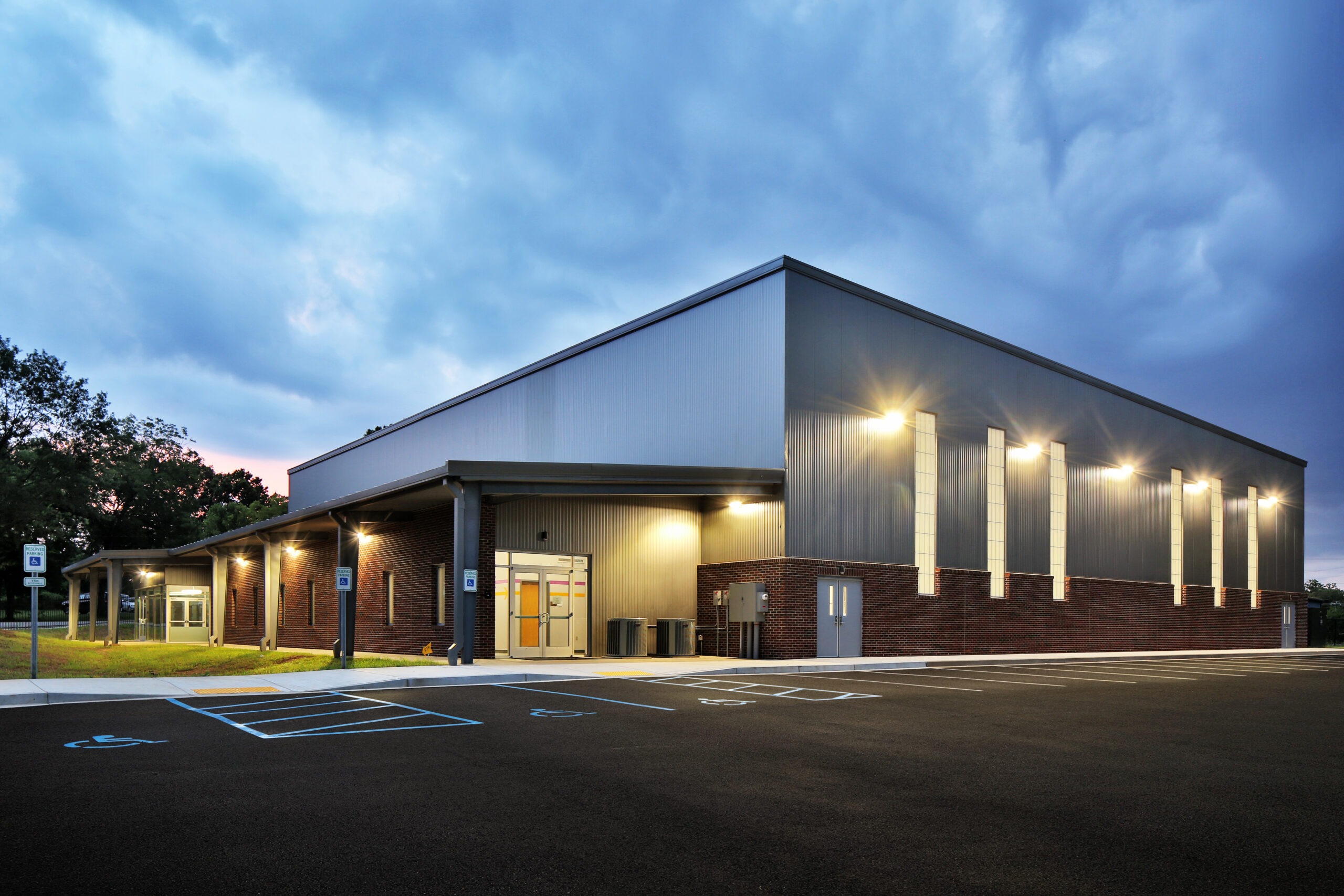
Property managers often invest significant resources into landscaping, lighting, building entrances, and signage because they understand the importance of first impressions. The parking lot deserves the same attention. Customers begin evaluating your property the moment they turn into the entrance. A smooth driving surface, clearly marked parking stalls, visible pedestrian crossings, and well-maintained sidewalks all contribute to a safer and more welcoming experience.
For industrial facilities, warehouses, and distribution centers, pavement condition also affects operational efficiency. Delivery vehicles, service contractors, and employees rely on safe, dependable access every day. Even relatively minor pavement defects can interfere with traffic flow and create unnecessary safety concerns.
Small Problems Rarely Stay Small
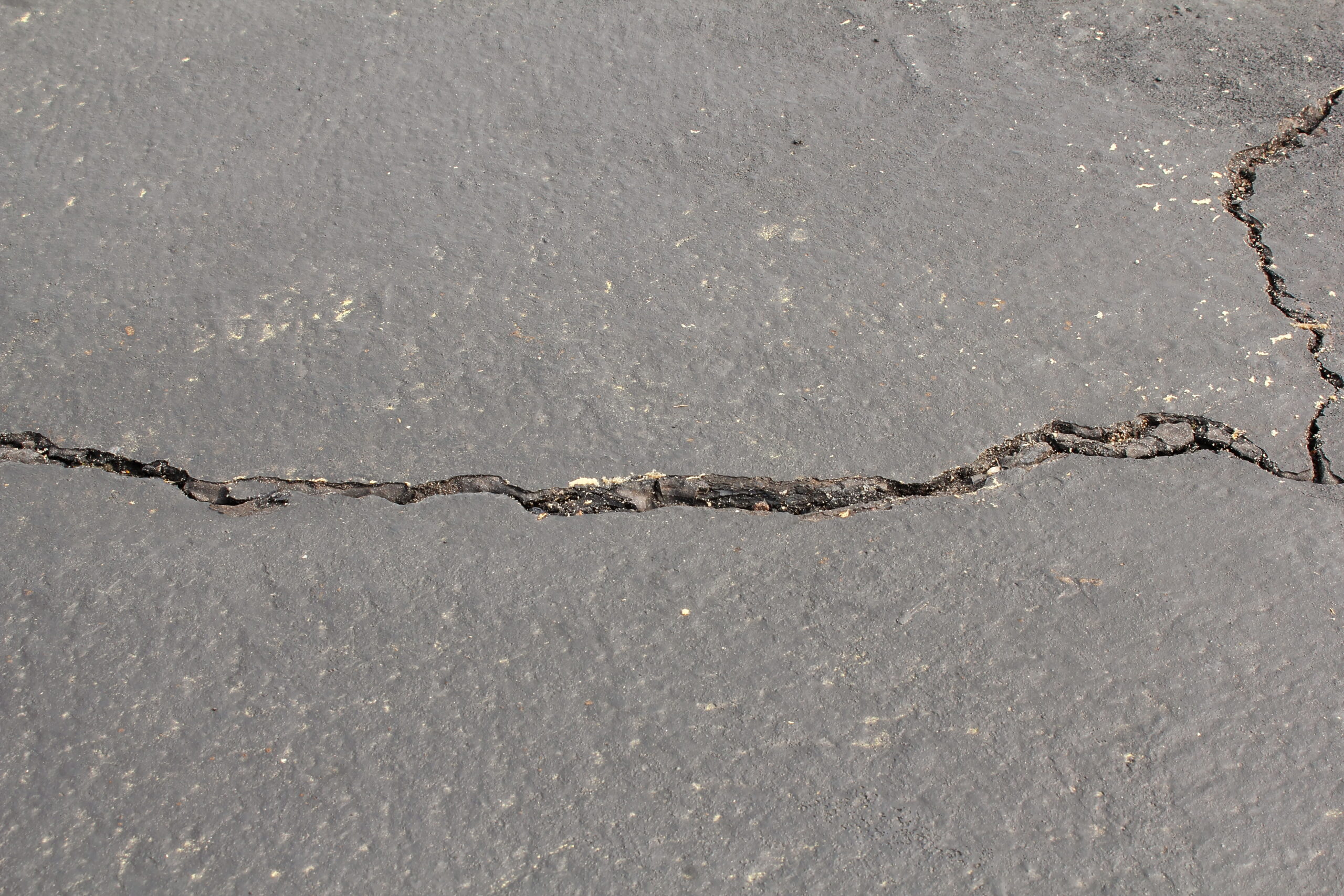
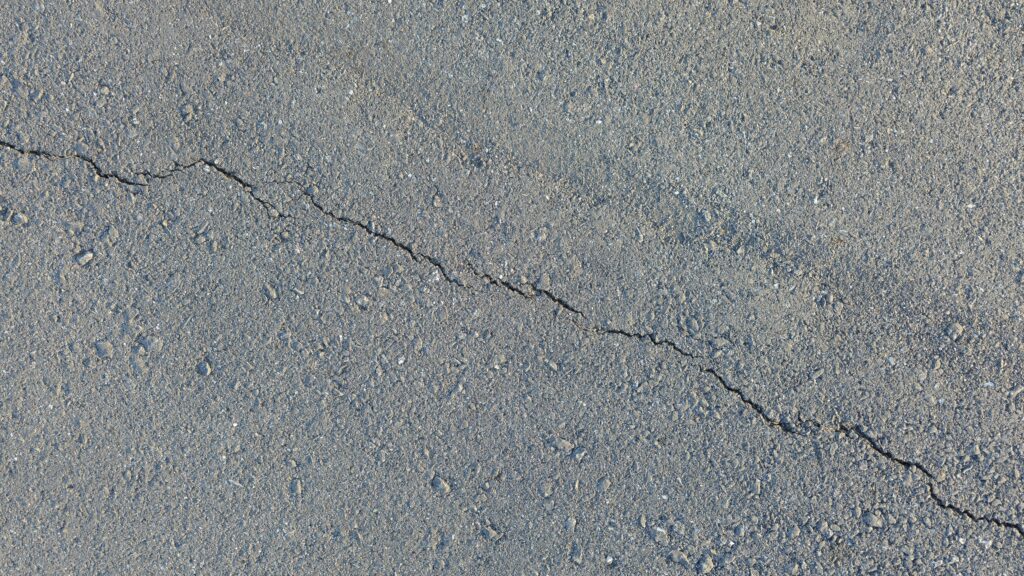
One of the most common misconceptions about asphalt is that minor cracks are simply cosmetic. In reality, cracks are often the first visible sign that water is beginning to penetrate the pavement. Once moisture reaches the base beneath the asphalt, traffic loads and changing temperatures accelerate deterioration from below the surface. That’s why small cracks frequently become larger cracks, potholes, and structural failures if left untreated. Addressing pavement issues while they’re still manageable is typically far less expensive than waiting until larger sections require reconstruction.
NFC Pro Tip
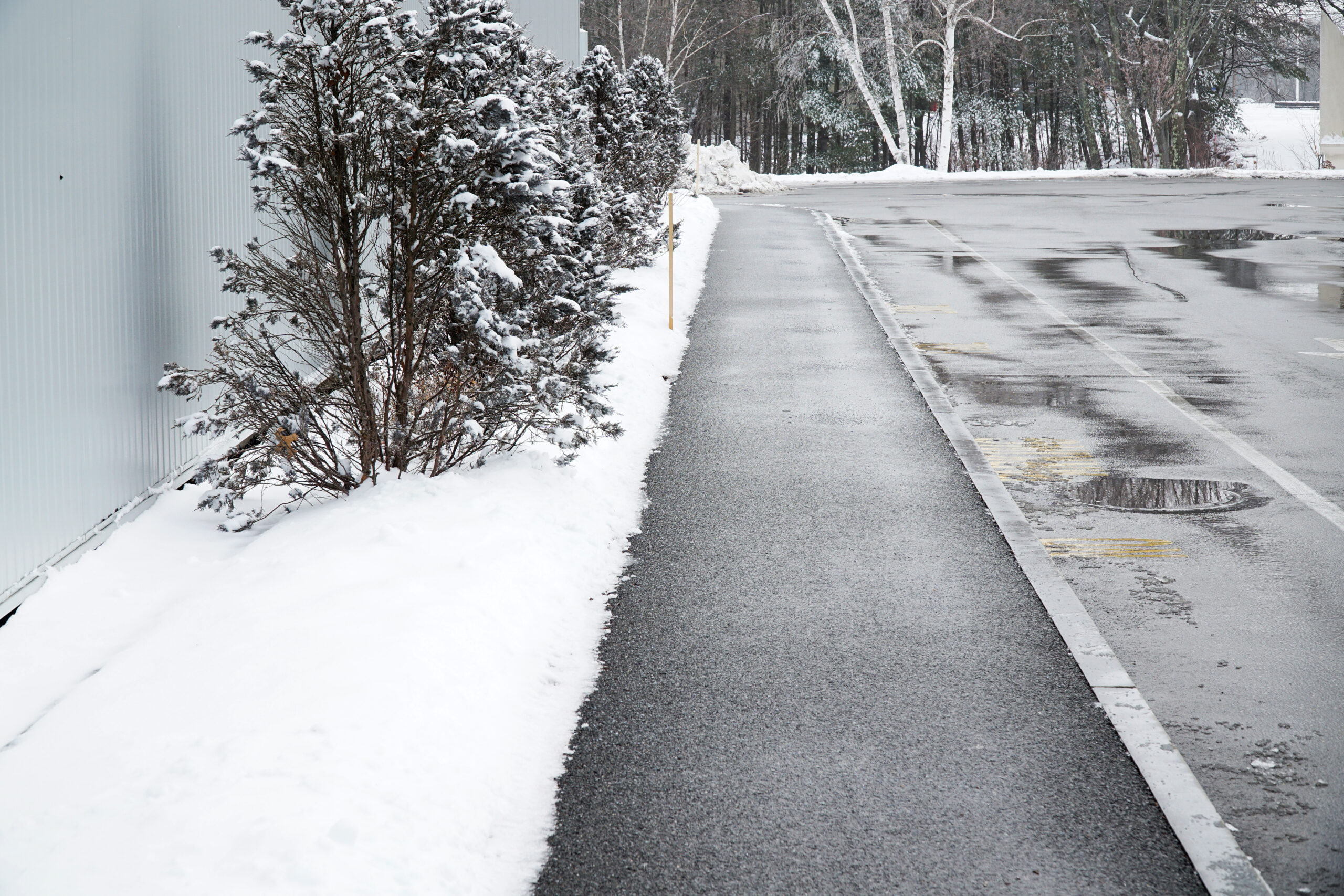
Walk your parking lot after every significant rainstorm.
Standing water often reveals drainage issues that may not be obvious during dry weather. Identifying these areas early can help prevent premature pavement deterioration and improve long-term performance.
Deferred Maintenance Costs More Than Preventive Maintenance
Commercial property budgets are always balancing competing priorities, and parking lots often end up moving lower on the priority list because deterioration happens gradually. Unfortunately, pavement doesn’t stop aging while it’s waiting for next year’s budget. Routine maintenance performed at the right time can significantly extend the useful life of asphalt and delay the need for costly resurfacing or reconstruction. Viewing pavement as a long-term asset instead of a short-term expense often leads to better financial outcomes over the life of the property.
Pavement Is a Long-Term Asset
Well-maintained asphalt can provide decades of reliable service when supported by routine inspections and timely maintenance. Successful pavement management isn’t about reacting to potholes. It’s about understanding the life cycle of the pavement, identifying issues early, and making informed maintenance decisions before minor concerns become major projects. Throughout Asphalt August, we’ll explore the maintenance strategies, repair techniques, and best practices that help commercial properties maximize the life of their asphalt and concrete surfaces.
Key Takeaways
- Your parking lot is one of the first features visitors notice.
- Pavement condition directly affects safety, accessibility, and operations.
- Small cracks often indicate larger issues developing beneath the surface.
- Preventive maintenance is generally more cost-effective than major repairs.
- Routine inspections help extend pavement life and reduce long-term costs.
Frequently Asked Questions
Why is commercial parking lot maintenance important?
Routine maintenance helps improve safety, extend pavement life, protect property value, and reduce the likelihood of expensive repairs.
How often should a commercial parking lot be inspected?
A professional inspection is recommended at least annually, with additional walkthroughs after severe weather events or periods of heavy use.
What causes asphalt to deteriorate?
Water infiltration, traffic loads, UV exposure, temperature fluctuations, and deferred maintenance all contribute to pavement deterioration.
Is repairing small cracks worth the investment?
Yes. Early crack sealing is one of the most cost-effective ways to prevent water intrusion and slow pavement deterioration.
Additional Resources
Internal Resources
External Resources
- Asphalt Institute
- National Asphalt Pavement Association (NAPA)
- Federal Highway Administration Pavement Resources
- ADA Standards for Accessible Design
A commercial parking lot is much more than pavement. It’s an essential part of your property’s infrastructure, a reflection of your organization, and an investment that deserves ongoing attention. By understanding how pavement ages and taking a proactive approach to maintenance, property owners and facility managers can improve safety, extend service life, and reduce long-term repair costs. As Asphalt August continues, we’ll take a closer look at the science behind pavement deterioration, common maintenance strategies, and practical ways to protect your investment for years to come.
Is your parking lot showing signs of wear?
National Facility Contractors provides comprehensive asphalt and concrete services for commercial, retail, industrial, municipal, and multi-site properties nationwide. Whether you need crack sealing, sealcoating, pavement repairs, parking lot striping, or a long-term maintenance strategy, our team is ready to help.
Contact National Facility Contractors today to schedule a pavement assessment and discover how proactive maintenance can protect one of your property’s most valuable assets.