Commercial property winter preparation starts before the forecast includes snow, ice, or freezing temperatures. By late September, facility managers have already had months to observe how their properties handled summer heat, traffic, storms, landscaping growth, deliveries, and daily operations. Now the transition into fall provides an opportunity to bring those observations together before colder weather changes the site.
Throughout The In-Between, we have looked at commercial properties under different conditions. We have inspected what summer left behind, followed water across pavement, examined cracks and drainage, walked pedestrian routes, and returned after dark as daylight hours shortened.
Week 4 brings those observations together.
The objective is not to treat September like January. It is to document current conditions, identify areas that deserve attention, and make sure the people responsible for the property have an accurate picture of the site before the next season arrives.
Start With What You Already Found
A seasonal inspection should not require starting over.
Review the notes, photographs, work orders, repair records, and observations collected throughout the summer and early fall. Look for conditions that appeared more than once or changed between inspections.
Maybe a pavement crack widened. Perhaps the same area held water after several storms. A concrete panel may have settled slightly. A catch basin may repeatedly collect debris. An exterior light may have become less reliable. Landscaping may have grown into a pedestrian route or around a site feature.
Individual observations become more useful when viewed together.
This is especially important across multi-site portfolios. A standardized inspection process helps facility teams organize information consistently, while maintenance decisions remain specific to each property.
Before adding another checklist to the file, determine what the property has already been telling you.
Inspect Commercial Asphalt Before Winter
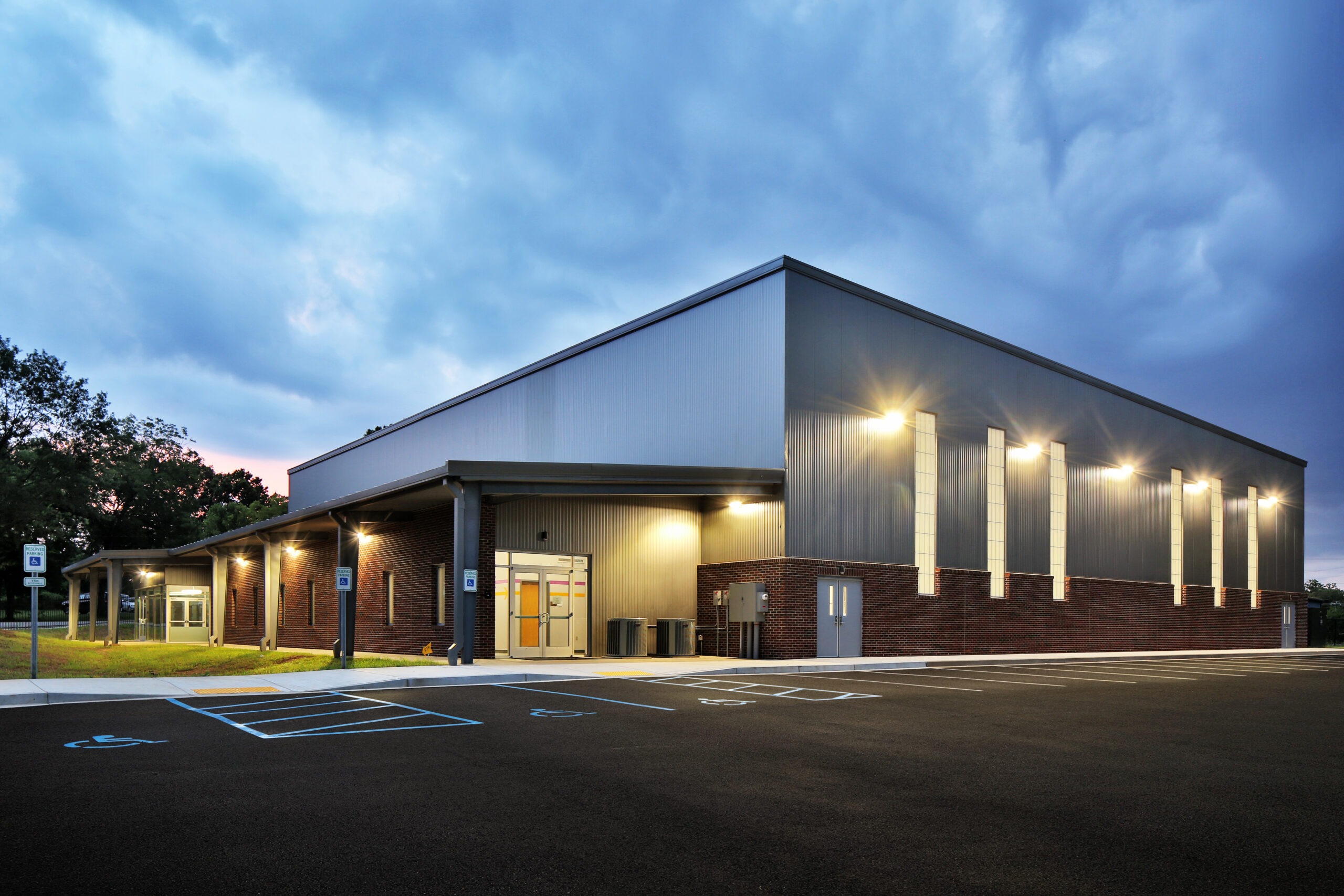
Begin with the parking lot, drive lanes, entrances, loading areas, and other asphalt surfaces.
Look for cracking, potholes, raveling, depressions, rutting, deteriorated edges, and previous repairs that are beginning to fail. Pay extra attention to areas with frequent turning, braking, heavy vehicles, or concentrated loads.
Then consider location.
A crack in a lightly traveled parking stall may warrant a different response than deterioration in a primary entrance or truck route. A depression that remains dry may deserve different consideration than one that repeatedly collects water.
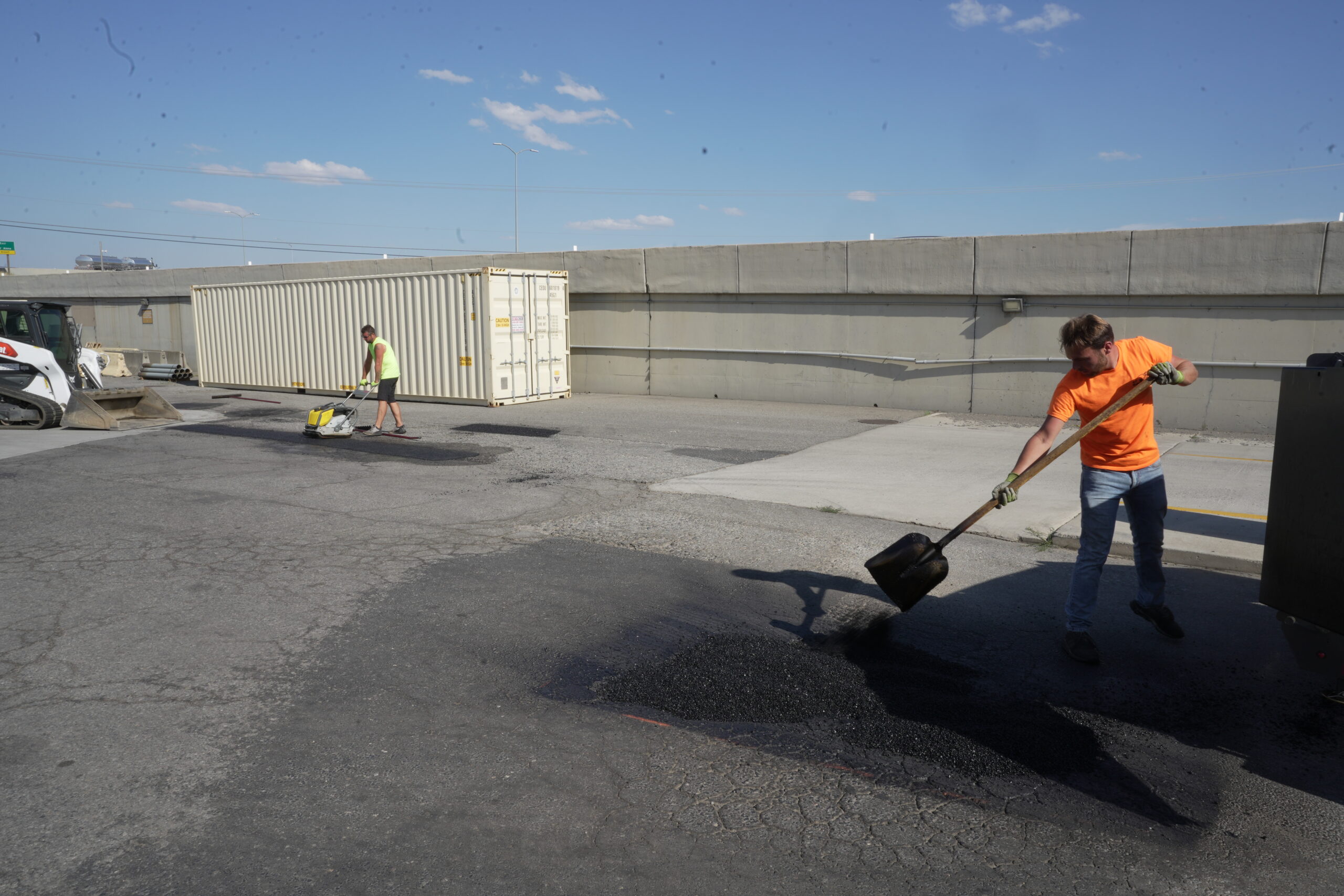
Previous repairs also deserve another look. If the same section of pavement has been patched multiple times, review its maintenance history. Recurring deterioration may provide useful information about traffic, drainage, pavement support, or another condition affecting that area.
The goal is not to assign the same treatment to every pavement defect. It is to understand current conditions well enough to determine what needs attention, what should be monitored, and what belongs in a future maintenance plan.
Review Cracks Before Freezing Temperatures Arrive
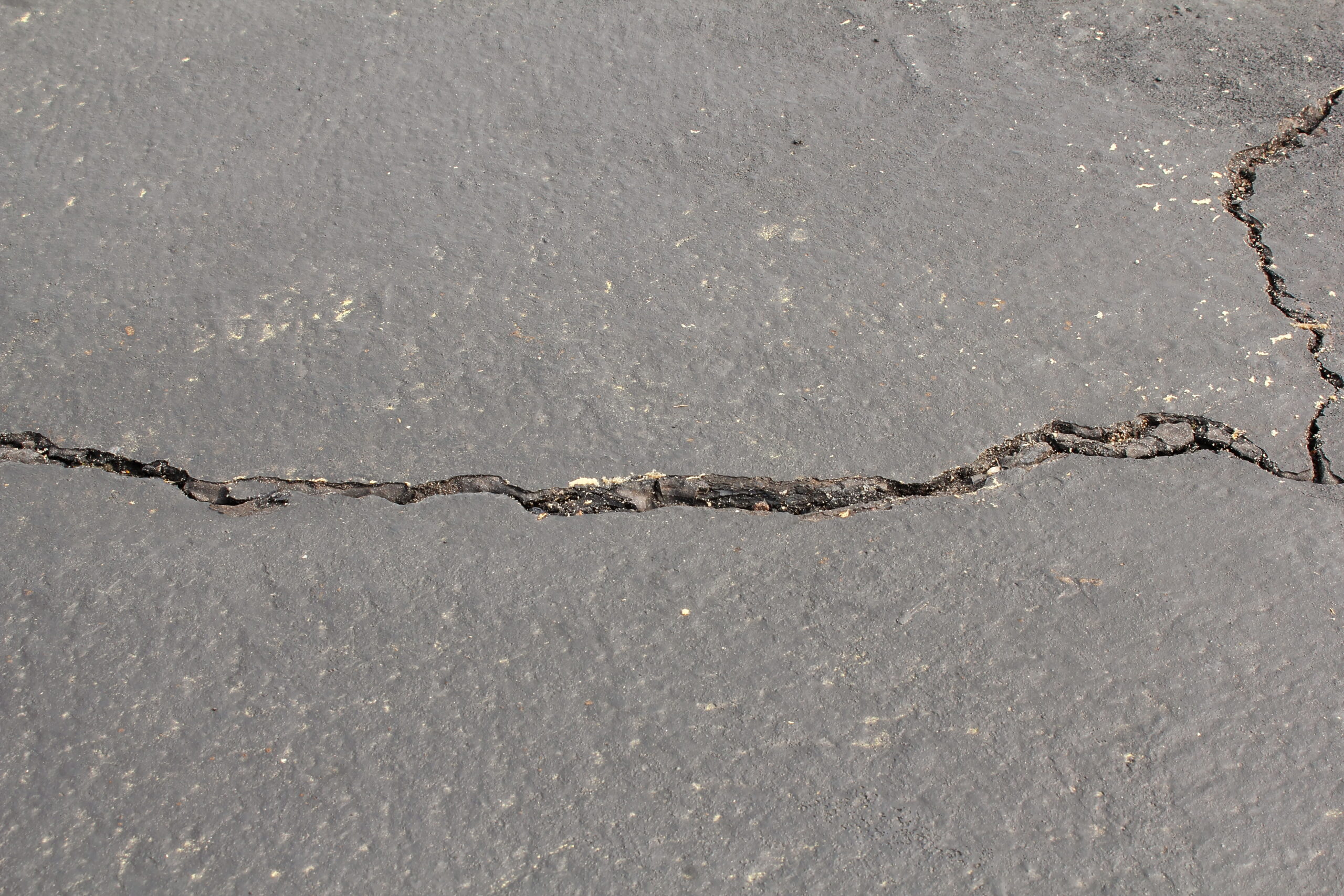
Cracks deserve their own place in commercial property winter preparation because they create openings in the pavement surface.
Water can enter or collect within those openings. When temperatures eventually move below and above freezing, moisture may freeze and thaw. Existing pavement condition, drainage, traffic, supporting materials, and repeated temperature changes all influence what happens next.
That does not make every crack an emergency.
Different crack patterns can indicate different pavement conditions, and preventive treatments such as crack sealing are appropriate only in suitable situations. Widespread fatigue cracking, settlement, deformation, and recurring pavement failure may require a different response.
Document the crack, but also document its surroundings.
Is water nearby? Does the pavement appear depressed? Is the crack part of a larger pattern? Does the area receive heavy traffic? Has it been repaired before?
The visible opening is only one part of the condition.
Follow the Water One More Time
If September gives you a rainy day, use it.
Walk the property during or shortly after rainfall and watch where water travels. Check parking areas, curb lines, catch basins, storm drains, landscaped islands, sidewalks, entrances, loading areas, and low spots.
Then return after much of the property has dried.
Areas that remain wet can help identify depressions, settlement, drainage restrictions, shaded locations, or other conditions worth documenting.
Look closely at the route water takes to reach drainage structures. A catch basin may appear clear while sediment, leaves, mulch, grass clippings, or other debris restricts the path leading to it.
Also consider where the water originates. Roof drainage, irrigation, landscaping, adjacent pavement, and other areas can influence conditions elsewhere on the property.
Drainage rarely respects the boundaries between facility-maintenance categories.
Facility Management Term: Site Baseline
A site baseline is a documented record of property conditions at a particular point in time that can be used for future comparison.
For seasonal facility management, a baseline may include photographs, inspection notes, site maps, repair history, known pavement or concrete conditions, drainage observations, and other relevant property information.
The value becomes clearer after conditions change.
If a curb is damaged after a winter storm, a September photograph may help establish its previous condition. If a pothole appears in spring, earlier photographs can show whether cracking or settlement was already present. If a drainage problem becomes more noticeable, previous observations can help determine whether it is new or recurring.
A baseline turns memory into documentation.
Walk the Concrete, Not Just the Asphalt
Commercial property winter preparation should include sidewalks, curbs, ramps, entrances, concrete aprons, loading areas, dumpster pads, and other concrete surfaces.
Look for cracking, spalling, damaged edges, settlement, deteriorated joints, and changes in elevation between adjoining sections.
Transition points deserve particular attention.
Concrete often meets asphalt around entrances, sidewalks, loading areas, drainage structures, dumpster pads, and other high-use locations. These materials can move and deteriorate differently, making the line between them a useful place to inspect.
Look for gaps, edge deterioration, elevation changes, debris, and water collection.
Pedestrian areas also deserve a route-based inspection. Walk from the parking lot to the building rather than examining individual sidewalk panels in isolation. This helps you understand how several small conditions interact along the path people actually use.
Walk the Curb Line
Curbs perform several jobs across a commercial property.
They define pavement edges, separate landscaping from traffic areas, help organize vehicle movement, and often influence how runoff travels toward drainage structures.
Walk along them.
Look for broken sections, displaced concrete, damaged corners, pavement separating from the curb, deteriorated joints, accumulated debris, and vegetation encroaching over the edge.
Pay particular attention near landscaped islands, entrances, tight turning areas, loading zones, and catch basins.
For properties in snow markets, documenting curb locations and existing damage before snowfall can also provide useful context for winter operations. Once pavement edges are covered, conditions that were obvious in September may become considerably harder to see.
Check Landscaping at the Edges
Landscaping may still look like a summer maintenance concern in September, but the boundaries around landscaped areas deserve attention before colder weather.
Inspect vegetation near sidewalks, curbs, signs, lighting, building entrances, drainage structures, and pavement edges.
Look for weeds growing through asphalt cracks or concrete joints. Check whether grass or groundcover has extended over curbs or narrowed drainage paths. Make sure shrubs and tree branches have not changed visibility around entrances, signs, pedestrian areas, or exterior lighting.
Irrigation deserves a final look as well.
Runoff and overspray can reach pavement and sidewalks. Misaligned sprinkler heads may direct water toward curbs, building edges, or parking areas. As irrigation schedules begin changing with the season, document any locations where water regularly ends up outside the intended landscape area.
A landscaping issue does not always stay in the landscaping.
Review Parking Lot Striping and Site Markings
Pavement markings help organize how people and vehicles move through a commercial property.
Inspect parking stalls, directional arrows, crosswalks, stop bars, loading zones, accessible parking markings, fire lanes, and other painted features. Look for fading, wear, or locations where markings have become difficult to distinguish.
Then review the property after dark.
A marking that remains visible during a sunny afternoon may be less distinct under artificial lighting or on wet pavement. September’s shorter days make it easier to compare those conditions before winter arrives.
For snow and ice operations, current site photographs can also help document features that may eventually be covered by snow.
Again, the value is not simply knowing that a line exists. It is understanding how clearly the property communicates traffic and pedestrian organization under changing conditions.
Inspect Exterior Lighting After Dark
Do not rely on a daytime walkthrough to evaluate exterior lighting.
Return after sunset and follow the routes people actually use. Walk from parking areas toward entrances. Check sidewalks, crosswalks, curb ramps, loading areas, service drives, dumpster enclosures, employee entrances, and other active exterior spaces.
Look for fixtures that are not operating, but also notice differences in visibility across the site.
Landscaping, buildings, parked vehicles, architectural features, and other objects can influence how light reaches the ground. A functioning fixture does not necessarily mean the surrounding area looks the same as it did when the lighting system was installed.
Take photographs where useful, but remember that phone cameras can automatically brighten dark scenes. Pair images with written observations about what you experienced on site.
The purpose is to document how the property functions after dark, not simply count working lights.
Check Loading, Service, and Waste Areas
The front of the property is only part of the inspection.
Loading docks, service entrances, truck routes, dumpster areas, and waste collection points often experience concentrated traffic and loads. They may also have different drainage, lighting, concrete, and pavement conditions than customer-facing areas.
Look for cracking, depressions, pavement deformation, damaged curbs, broken concrete, deteriorated transitions, and standing water.
Consider how vehicles move through these areas. Repeated turning and stopping can concentrate stress in relatively small sections of pavement.
Then review visibility and access. Service areas may remain active early in the morning or after dark, making current lighting and site conditions particularly relevant as daylight hours continue to decrease.
NFC Pro Tip: Photograph What Winter May Hide
Take a complete set of exterior property photographs before winter conditions arrive.
Include wide photographs that establish the overall layout and closer photographs of important site features.
Document curbs, landscaped islands, catch basins, storm drains, fire hydrants, loading areas, sidewalks, ramps, pavement transitions, entrances, known pavement damage, and other conditions relevant to your property.
For facilities receiving snow and ice services, these photographs can provide useful site context once snow begins covering pavement edges and other features.
Use consistent locations and angles when possible. Repeating the same photographs next spring can also help identify what changed during the winter.
Review Snow and Ice Site Information
By late September, properties in snow markets should begin verifying the information used for winter operations.
Review site maps and service areas. Confirm entrances, loading zones, employee parking, fire lanes, accessible routes, sidewalks, service drives, and other priority areas.
Note any physical changes made since the previous winter.
Was a new island installed? Did a pavement repair change an elevation? Has a loading area been reconfigured? Were bollards, signs, equipment, or other site features added? Has construction changed traffic flow?
A snow and ice plan based on last year’s property may not accurately represent this year’s site.
For multi-site portfolios, verify that property information is current at each location rather than assuming previous records remain accurate.
Identify Areas That May Need Markers
Some property features become harder to identify once snow accumulates.
Depending on the property and winter conditions, facility teams may need to consider how curbs, islands, drainage structures, hydrants, equipment, pedestrian areas, or other important features will remain identifiable.
The appropriate approach depends on the site, climate, operations, and snow management plan.
September provides time to identify these locations while every feature remains visible.
This is another reason a detailed site baseline is useful. Facility managers and service partners can make better operational decisions when they begin with accurate information about the property.
Review Exterior Access and Service Areas
Colder weather changes how buildings and exterior spaces interact.
Inspect doors, gates, loading entrances, exterior storage areas, mechanical access points, and other locations that employees or service providers may need to reach throughout winter.
Make sure routine access has not been affected by summer construction, landscaping changes, stored materials, or other site conditions.
Consider where snow may eventually be stored or relocated, where service vehicles need access, and which exterior areas must remain functional regardless of weather.
These operational details may not require immediate work, but documenting them before winter helps avoid discovering conflicts during the first significant weather event.
Prioritize What You Found
A comprehensive inspection will almost always produce a longer list than a facility team can address immediately.
That does not make the inspection unsuccessful.
Separate observations into practical categories. Some conditions may require near-term maintenance. Others may need professional evaluation. Some should simply be documented and monitored. Larger repairs may belong in the next capital planning cycle.
Consider condition, location, property use, progression, seasonal exposure, operational impact, and maintenance history.
A recurring pavement problem near a busy entrance may warrant different attention than an isolated defect in a lightly used section of the property. A drainage issue near a pedestrian route may deserve different consideration than a similar condition in an unused corner.
Prioritization turns inspection information into a maintenance plan.
Multi-Site Properties Need Consistency, Not Identical Treatment
National portfolios create a particular challenge for seasonal maintenance.
Facility teams need enough consistency to compare properties, manage vendors, plan budgets, and understand conditions across many locations. But climate, traffic, property use, pavement age, drainage, landscaping, and winter exposure can differ considerably from one site to another.
Use the same inspection framework across the portfolio.
Document asphalt, concrete, drainage, curbs, pedestrian routes, lighting, landscaping, service areas, and winter site information consistently. Then allow the resulting maintenance plan to reflect each property’s actual conditions.
A standardized process creates comparable information.
It does not require identical maintenance decisions.
Commercial Property Winter Preparation Checklist
Before colder weather arrives, review the following exterior areas:
- Asphalt parking lots, drive lanes, entrances, and loading areas
- Existing cracks, potholes, depressions, rutting, and previous repairs
- Catch basins, storm drains, curb lines, and drainage paths
- Concrete sidewalks, curbs, ramps, aprons, and loading areas
- Asphalt-to-concrete transitions
- Pedestrian routes and crosswalk approaches
- Parking lot striping and pavement markings
- Exterior lighting and nighttime visibility
- Landscaped islands and pavement edges
- Irrigation overspray and runoff
- Loading docks, dumpster areas, and service entrances
- Snow and ice service areas
- Curbs, islands, hydrants, drainage structures, and other features that may become difficult to see under snow
- Current site maps and property documentation
- Exterior access points and service routes
- Previous repairs and recurring maintenance locations
The checklist is a starting point. Property use, geography, climate, and site design may require additional inspection areas.
Key Takeaways
- Commercial property winter preparation is most useful before winter conditions make existing site features harder to evaluate.
- Use summer and September inspection records rather than starting from scratch.
- Evaluate pavement condition in context, including traffic, drainage, location, and repair history.
- Follow water across the property and inspect the routes leading to drainage structures.
- Include concrete, curbs, sidewalks, ramps, and pavement transitions.
- Review landscaping and irrigation where they interact with pavement, drainage, lighting, and pedestrian routes.
- Conduct at least one exterior inspection after dark.
- Photograph property features and existing conditions before snow may cover them.
- Verify snow and ice site information rather than relying automatically on last year’s records.
- Use a consistent inspection framework across multi-site portfolios while making maintenance decisions based on each property’s conditions.
- Prioritize findings instead of treating every observation as an immediate repair.
Frequently Asked Questions About Commercial Property Winter Preparation
When Should Commercial Properties Begin Preparing for Winter?
Timing depends on climate and geography, but facility managers do not need to wait for freezing temperatures or snow forecasts. Early fall provides an opportunity to inspect and document exterior conditions while pavement, curbs, drainage structures, landscaping, and other site features remain clearly visible.
What Should Be Included in a Commercial Property Winter Inspection?
Common areas include asphalt, concrete, drainage systems, curbs, sidewalks, pedestrian routes, pavement markings, exterior lighting, landscaping, irrigation, loading areas, service entrances, and site features relevant to snow and ice operations.
Why Should Facility Managers Photograph a Property Before Winter?
Photographs create a baseline of existing conditions. They can document pavement damage, curbs, drainage structures, islands, sidewalks, and other features before snow or changing weather makes those conditions harder to see.
Should Pavement Cracks Be Addressed Before Winter?
Some cracks in otherwise serviceable pavement may be appropriate for preventive maintenance, while other crack patterns can indicate conditions requiring different repairs or further evaluation. The appropriate response depends on the type of cracking, pavement condition, drainage, traffic, and other site factors.
Why Is Drainage Important Before Freezing Weather?
Water that collects on or enters deteriorated pavement can become more significant as temperatures change. Drainage problems can also affect pedestrian areas, pavement performance, and winter operations. Facility managers should understand where water travels and where it regularly remains.
Should Snow and Ice Plans Be Reviewed Every Year?
Properties can change from year to year. Pavement repairs, construction, landscaping, new equipment, altered traffic patterns, and other site changes can affect winter operations. Reviewing site information before each winter helps ensure that current conditions are accurately represented.
How Should Multi-Site Facility Managers Prepare Properties in Different Climates?
Use a consistent inspection and documentation process, but allow individual maintenance and winter plans to reflect local climate, property use, pavement condition, drainage, traffic, and operational requirements. A national portfolio benefits from standardization without assuming every site needs the same treatment.
The In-Between: What September Can Tell You
Over the past four weeks, The In-Between has looked at commercial properties from several perspectives.
We started with the September facility maintenance window and what summer may have left behind. We examined how cracks, water, and changing temperatures interact. We returned after dark to see what shorter days can reveal. Now we have brought those observations together before colder weather arrives.
The common thread has been simple: change the way you look at the property.
Inspect it dry and wet. Walk it during the day and after sunset. Follow pedestrian routes and truck routes. Look at the center of the parking lot and the edges. Review today’s conditions alongside previous repairs and photographs.
Each perspective adds information.
September sits between seasons, which makes it particularly useful for this kind of work. Evidence from summer remains visible while the conditions of fall and winter are beginning to take shape.
Know the Property Before the Season Changes It
Winter preparation does not begin with a snowplow.
It begins with understanding the property as it exists today.
Know where pavement is deteriorating. Know where water collects. Know which concrete has moved. Know where curbs and islands are located. Know which areas remain shaded or wet longer. Know how people move through the property after dark. Know what has changed since last winter.
Then document it.
That information gives facility managers a stronger foundation for maintenance decisions, winter operations, budgeting, and future planning.
The In-Between may describe September, but the principle applies throughout facility management: the more clearly you understand current conditions, the better prepared you are for whatever the next season brings.
National Facility Contractors provides commercial asphalt, concrete, landscaping, snow and ice management, and other facility services for commercial properties and multi-site organizations nationwide.
If your fall property inspection identifies exterior maintenance needs or changes that could affect winter operations, contact National Facility Contractors to discuss the conditions across your property or portfolio.